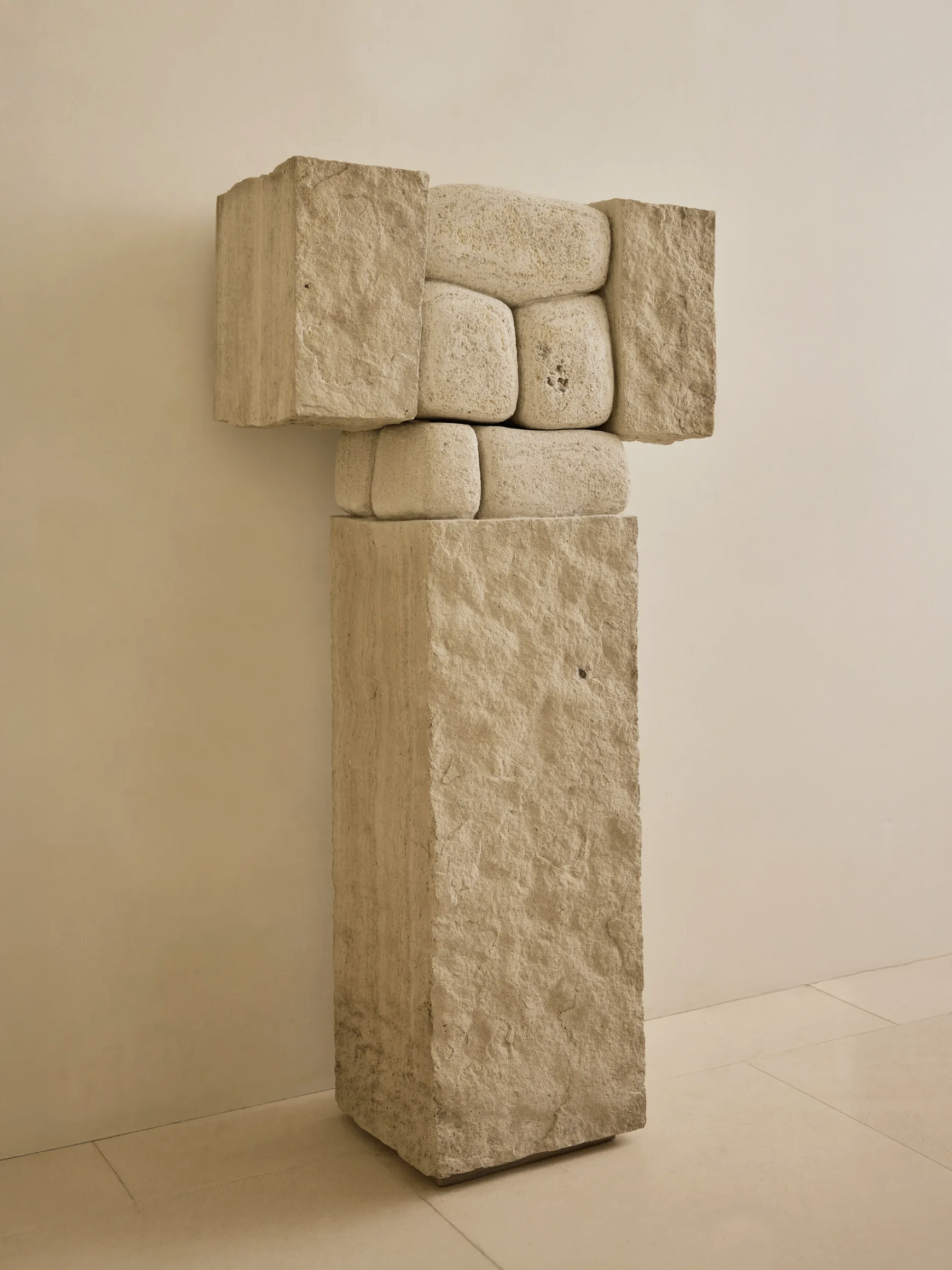
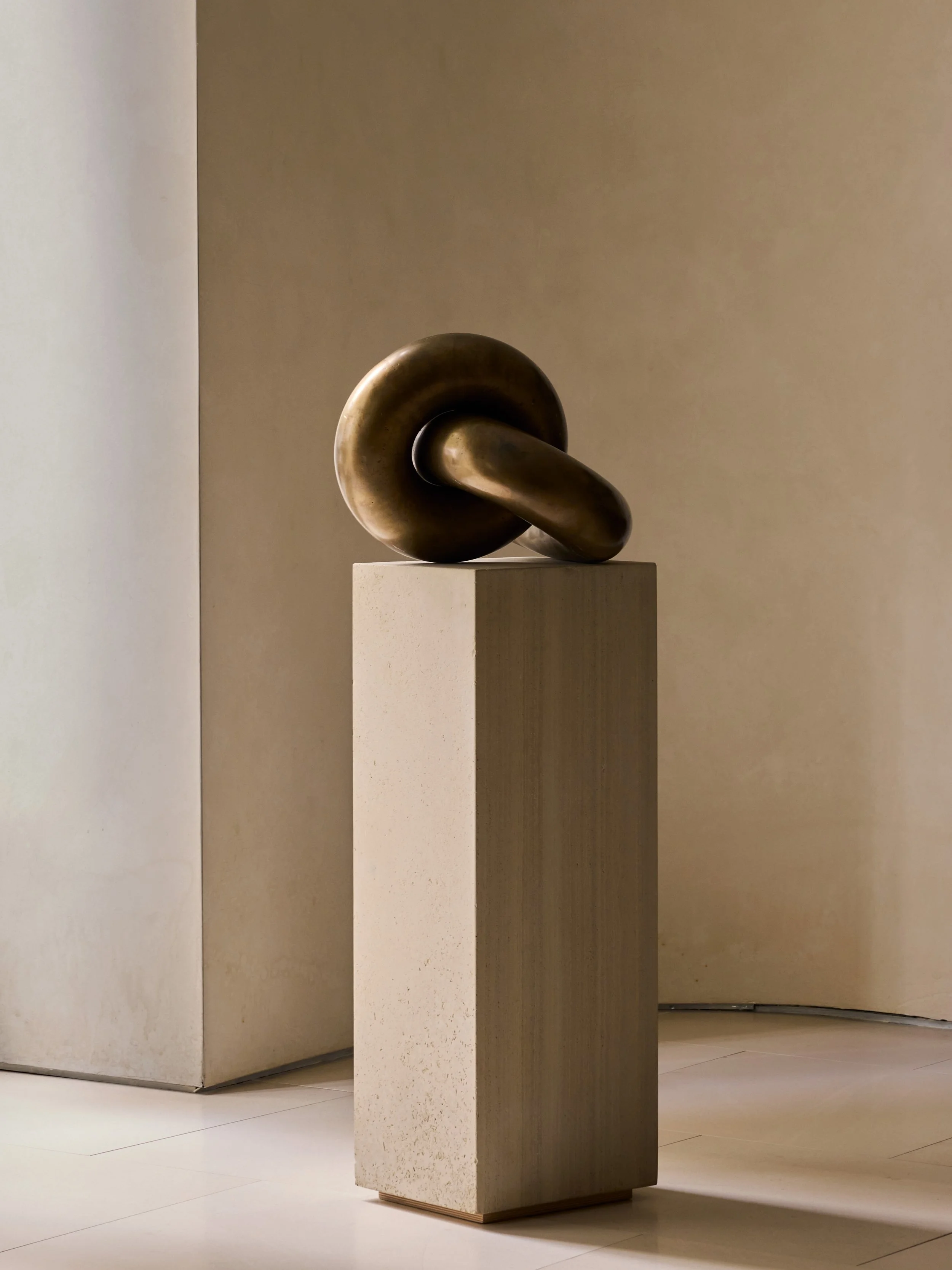
CROSS YOUR HEART: PART II — Fall 2026
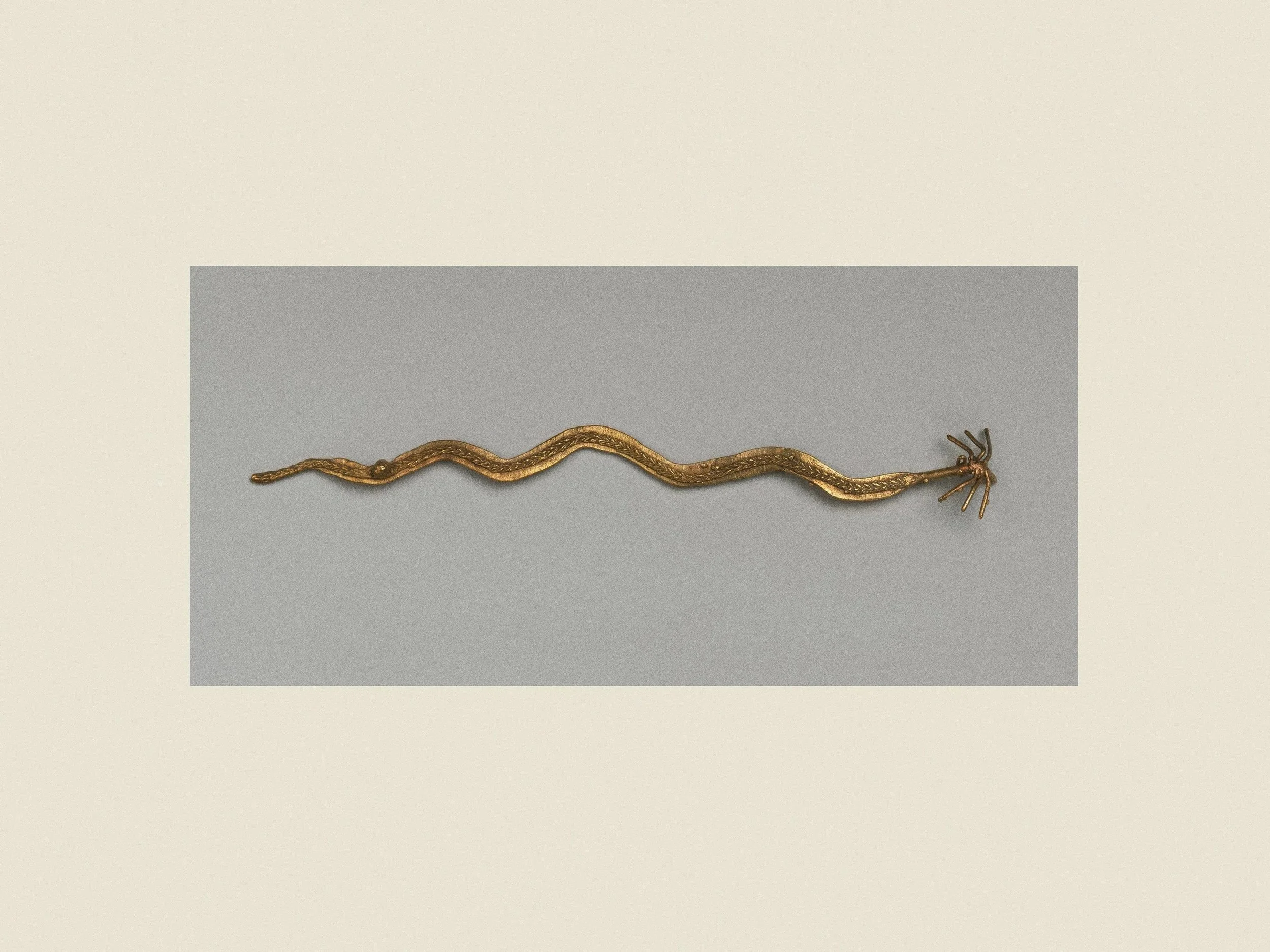
Serpent (Tunjo), Muisca, 10th–16th century
If the mind is the dreamer, then the hand is the conjurer…
Cross Your Heart: Part II marks the final chapter in a four-part exhibition series exploring the forces of fate, chance, and symbolism. Beginning with Snake Eyes (2023), continuing with Knock on Wood (2025), and arriving at Cross Your Heart: Part I and Part II (2026), we have traveled the mirror-lined halls of creative practice, following the threads that connect intuition, ritual, and the mysterious ways in which ideas take form.
Like any wanderer set on an uncertain course, our path has rarely been linear. At the outset, we said the serpent was our guide. Looking back from this vantage point, we can trace the winding path she laid before us: from enchanted objects and the mysterious power we invest in things, to the rituals through which we court luck and ward off misfortune, to the gestures that reveal our inner worlds and bind us to one another. Now, as we approach the opening of Cross Your Heart Part II, we find ourselves looking both forward and backward.
Preparing for this exhibition has been its own snaking path, rippling with decisions that have felt both minute and monumental. Just today, at a moment of decision fatigue, we consulted the engraved dice from our Snake Eyes opening for a little guidance. One roll. Then, still uncertain, we switched to best of three. The answer they gave remained the same. So we listened. It wasn't the first time we'd turned to the dice to cast our lot, and they have steered us in the right direction before. We trust they will do so again.
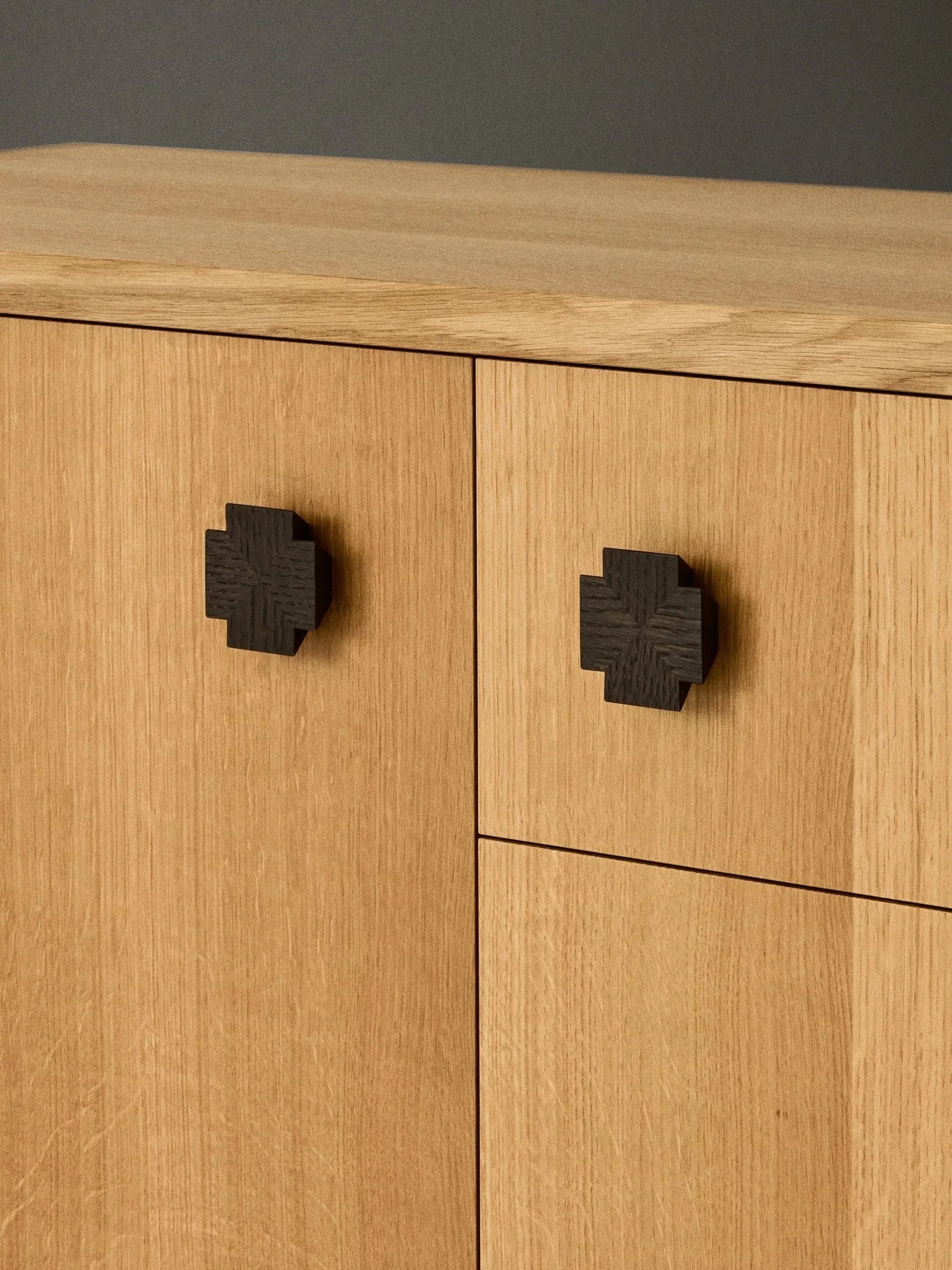
Trust. So closely bound to fate, luck, chance, and the creative act itself. These have been our fellow wanderers and constant companions over the past few years, their ever-present swirling becoming a gentle tide that has carried us here, to these final weeks before the opening, as we attempt to tie every loose end into a neat little bow. At this moment of culmination, it seems fitting that we should arrive at the hands as our subject: the very instruments we rely upon to tie those knots, make those gestures, and bring our ideas into being.
Deft and capable, mysterious and wise, it is through the hands that ideas cross the threshold between the immaterial and the material, the imagined and the real. A gesture, a touch, a movement of the fingers: with so little, we can express and accomplish so much. Hands are at once vessels of knowledge and agents of transformation. From hand to hand, across generations, knowledge has traveled, carried in gestures, techniques, and the intimate understanding of a material. Is it not through these nimble fingers that we give form to our inner worlds, drawing out what might otherwise remain unseen?
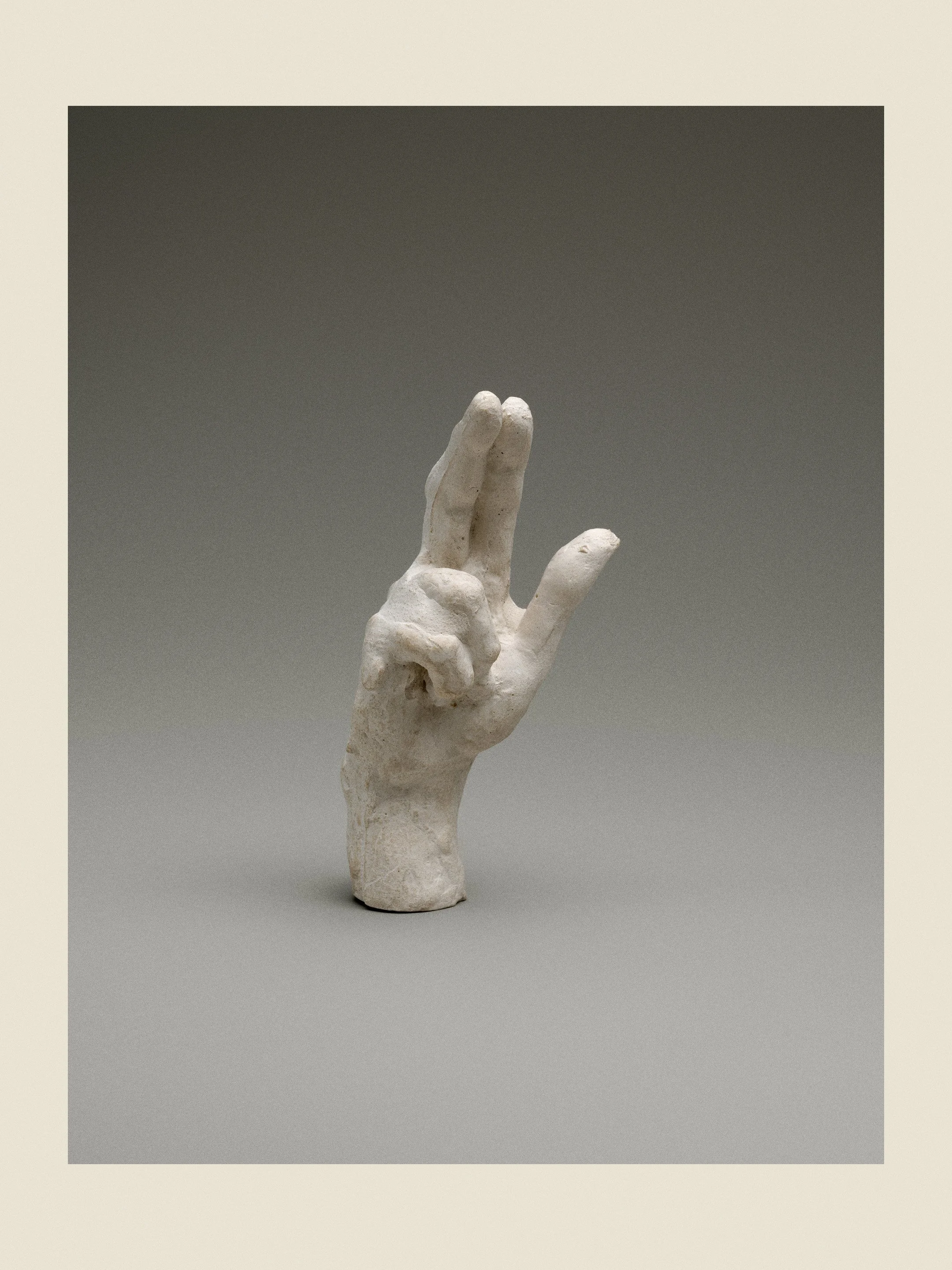
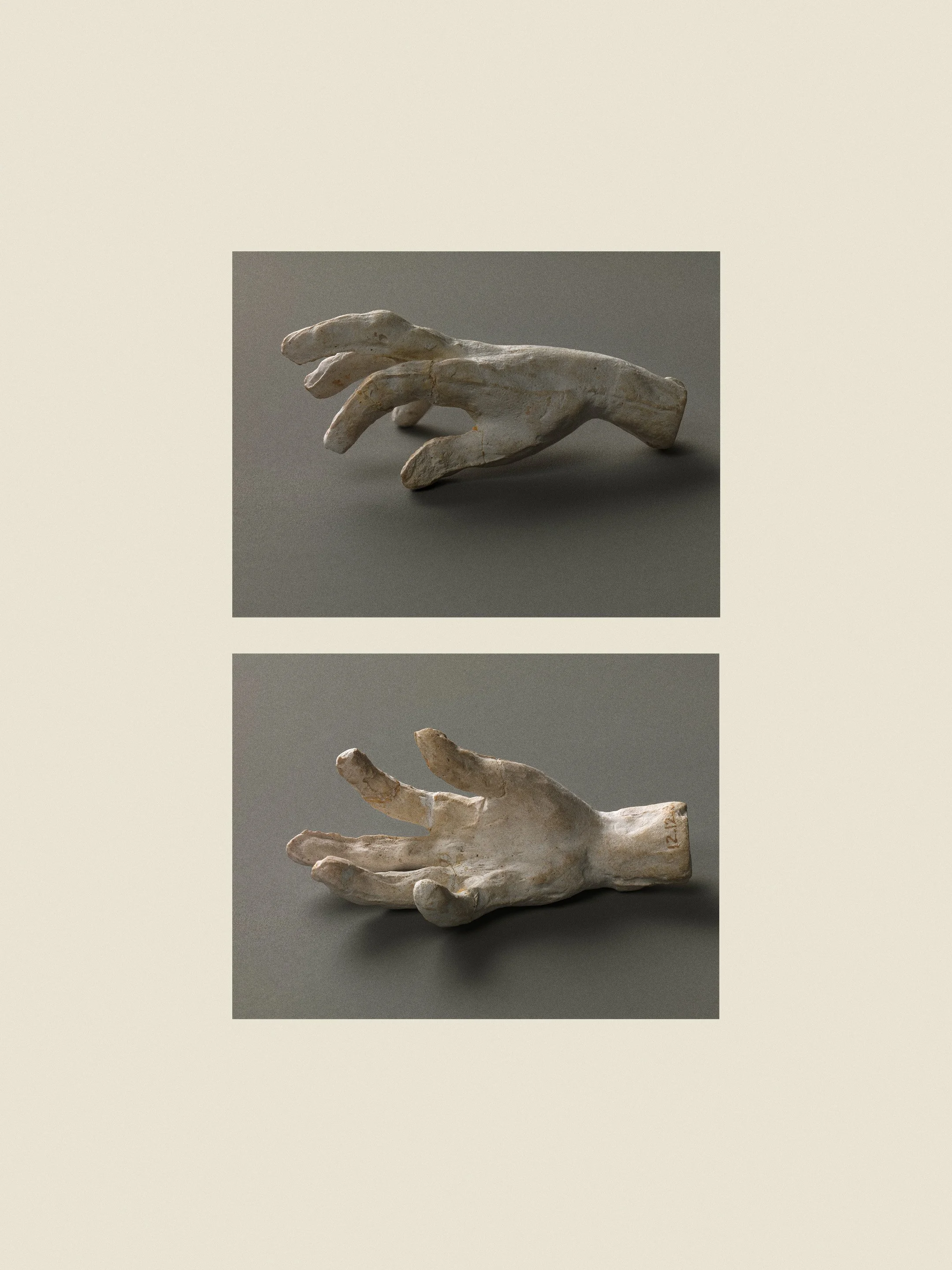
The French sculptor Auguste Rodin understood this power. He made hundreds of studies of hands, modeling them in clay and casting them in plaster, treating them not as mere details of the body but as expressive forms in their own right. Detached from the figures they might otherwise serve, his hands seem to possess lives of their own: tense, reaching, grasping, offering. For Rodin, a hand could convey an entire world of feeling. His friend and sometime secretary, the poet Rainer Maria Rilke, saw in these small fragments a kind of monumentality, recognizing that a hand alone could hold a universe.
If the mind is the dreamer, then the hand is the conjurer. It has been beckoning us all along, pointing the way toward what we could not yet see.
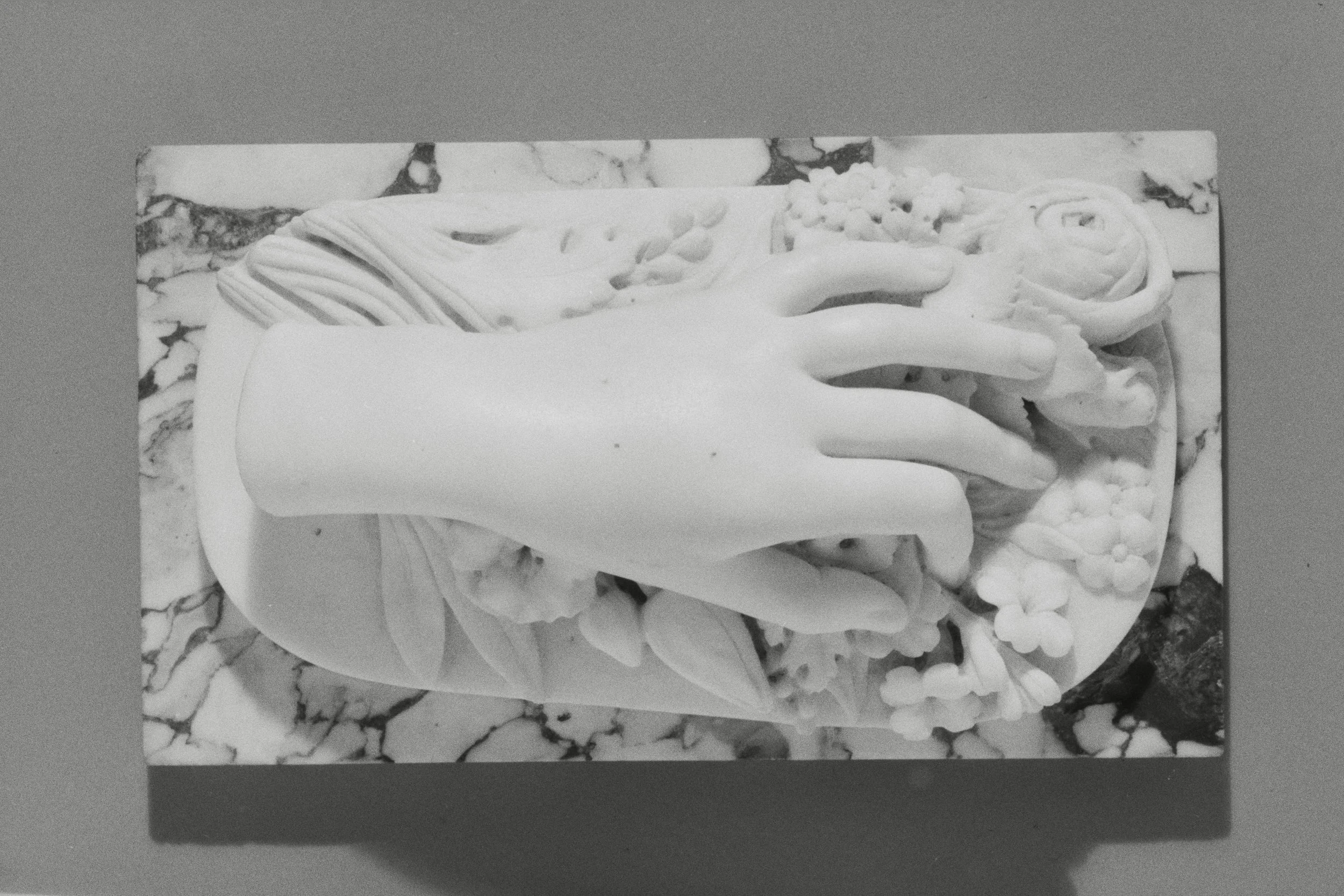
Lady's Hand and Flowers, American, 1800–1900
Palm
Interior of the hand. Sole that has come to walk
only on feelings. That faces upward
and in its mirror
receives heavenly roads, which travel
along themselves.
That has learned to walk upon water
when it scoops,
that walks upon wells,
transfiguring every path.
That steps into other hands,
changes those that are like it
into a landscape:
wanders and arrives within them,
fills them with arrival.
— Rainer Maria Rilke
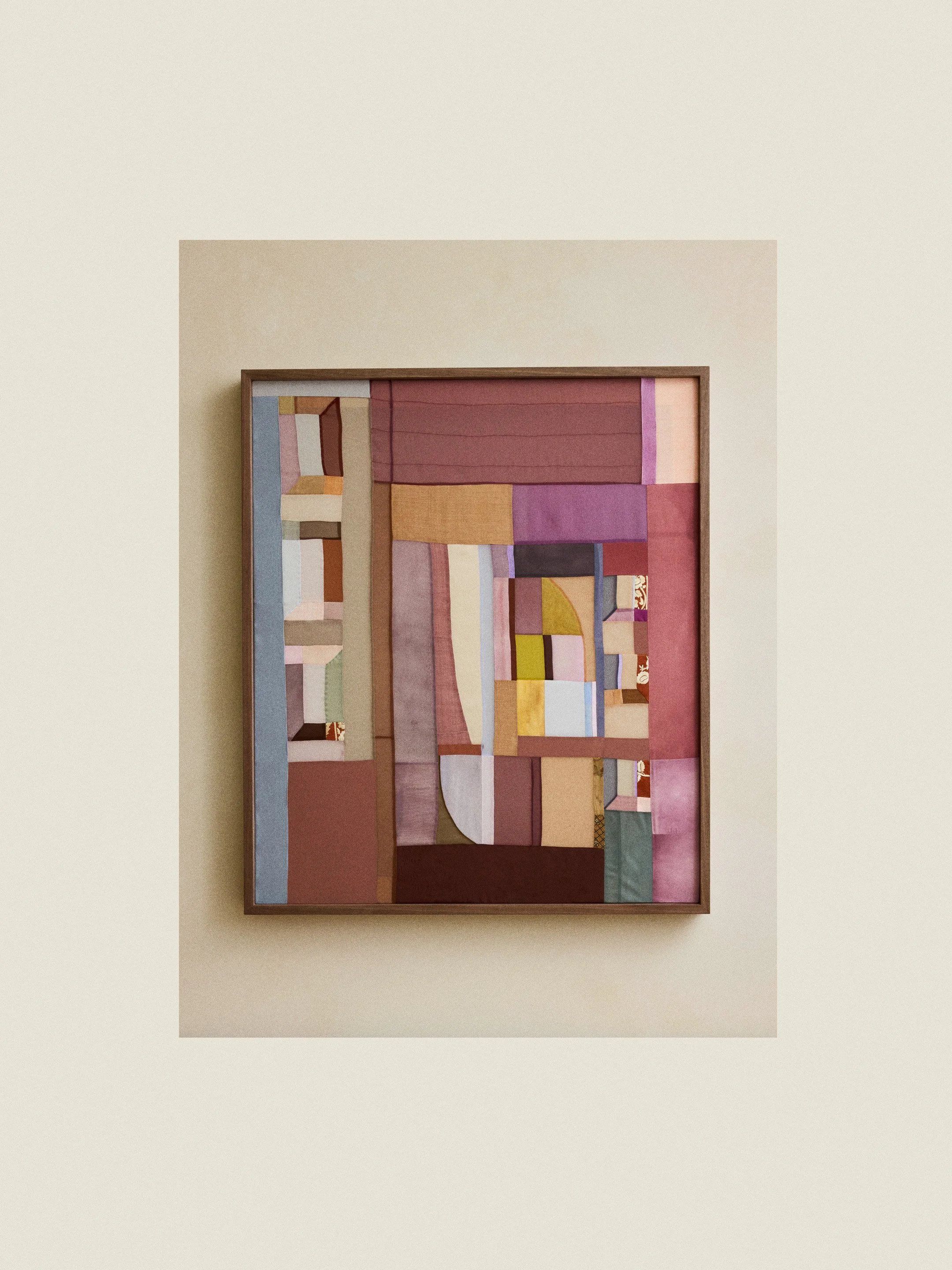
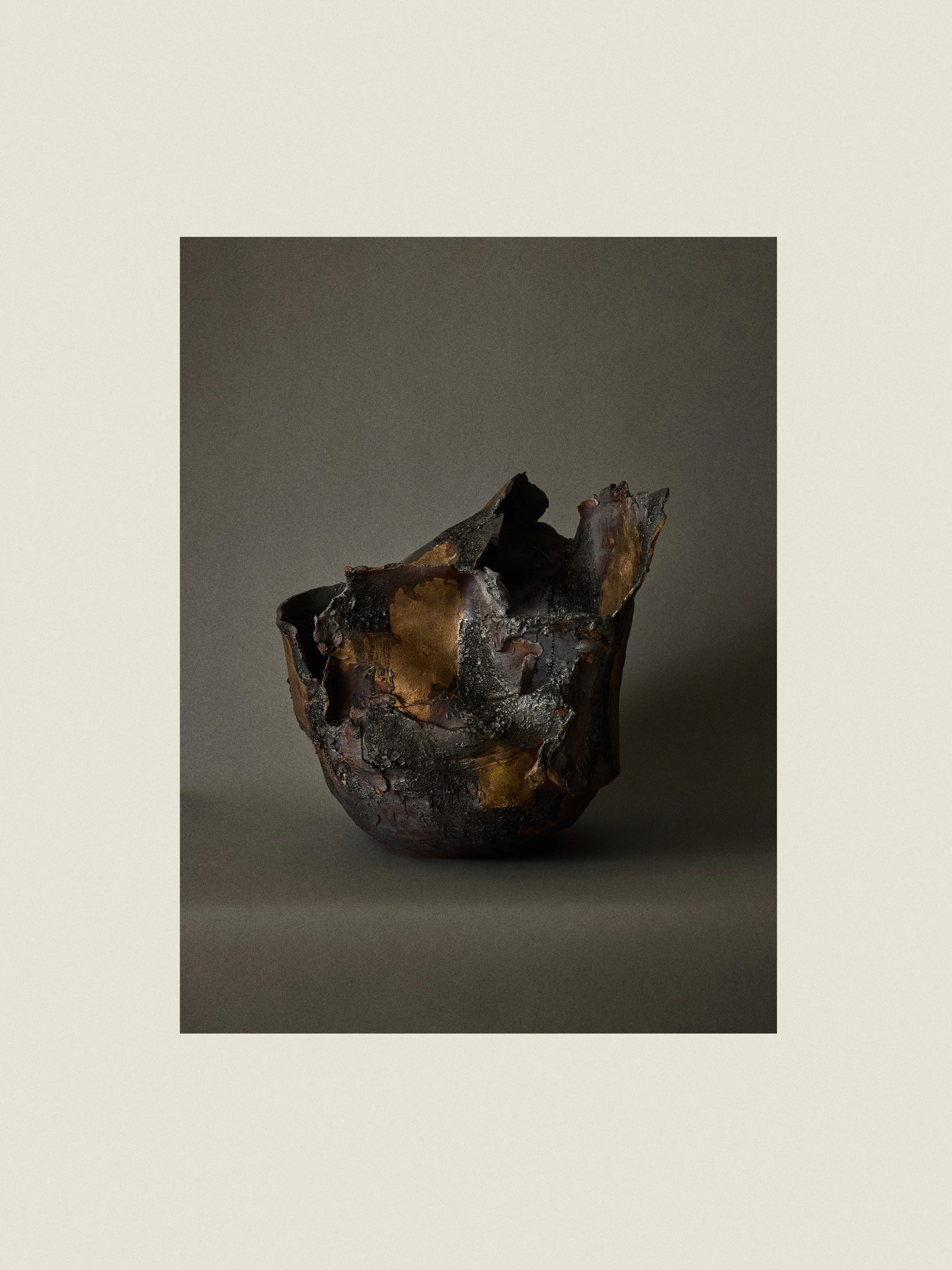
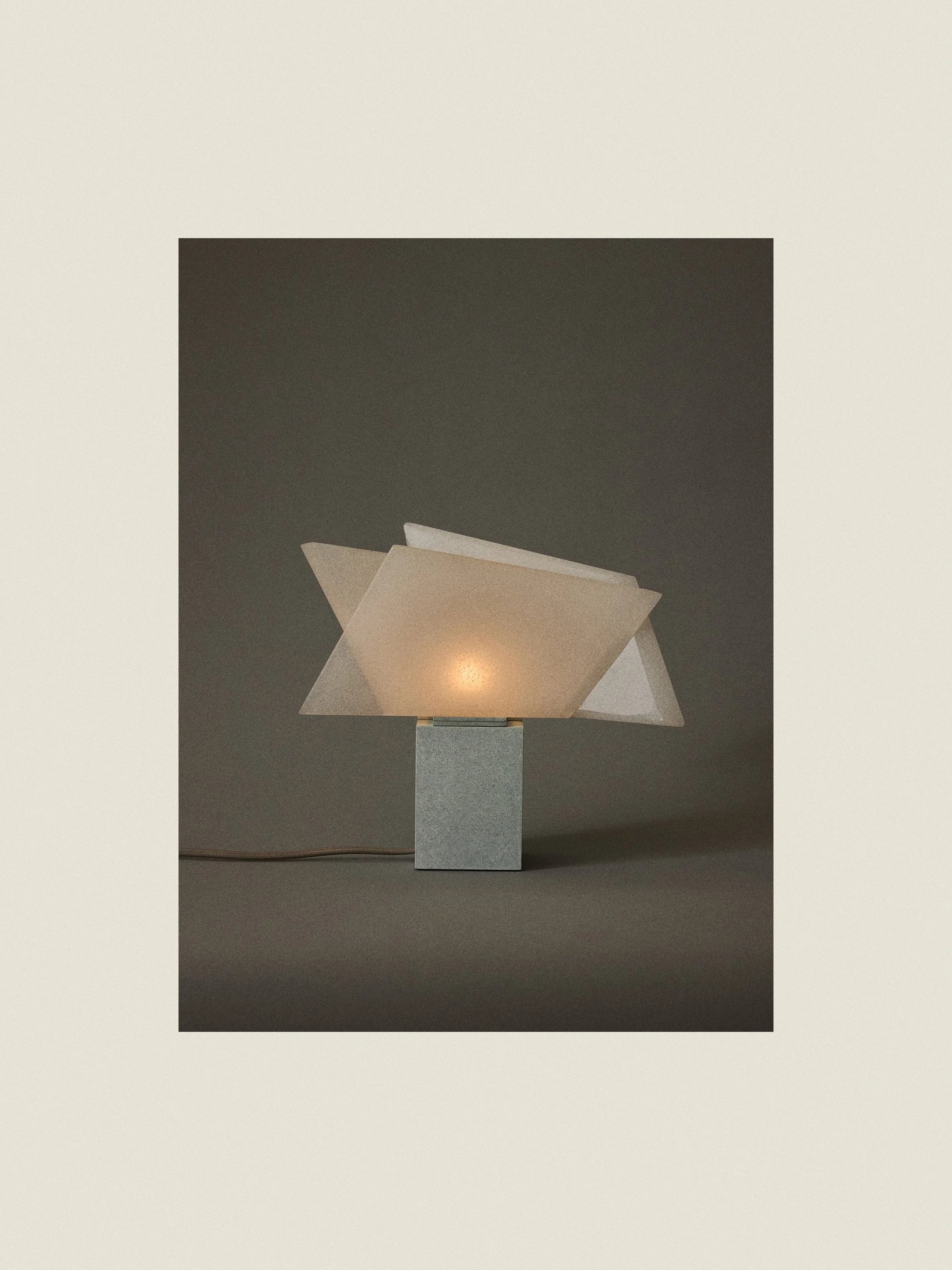
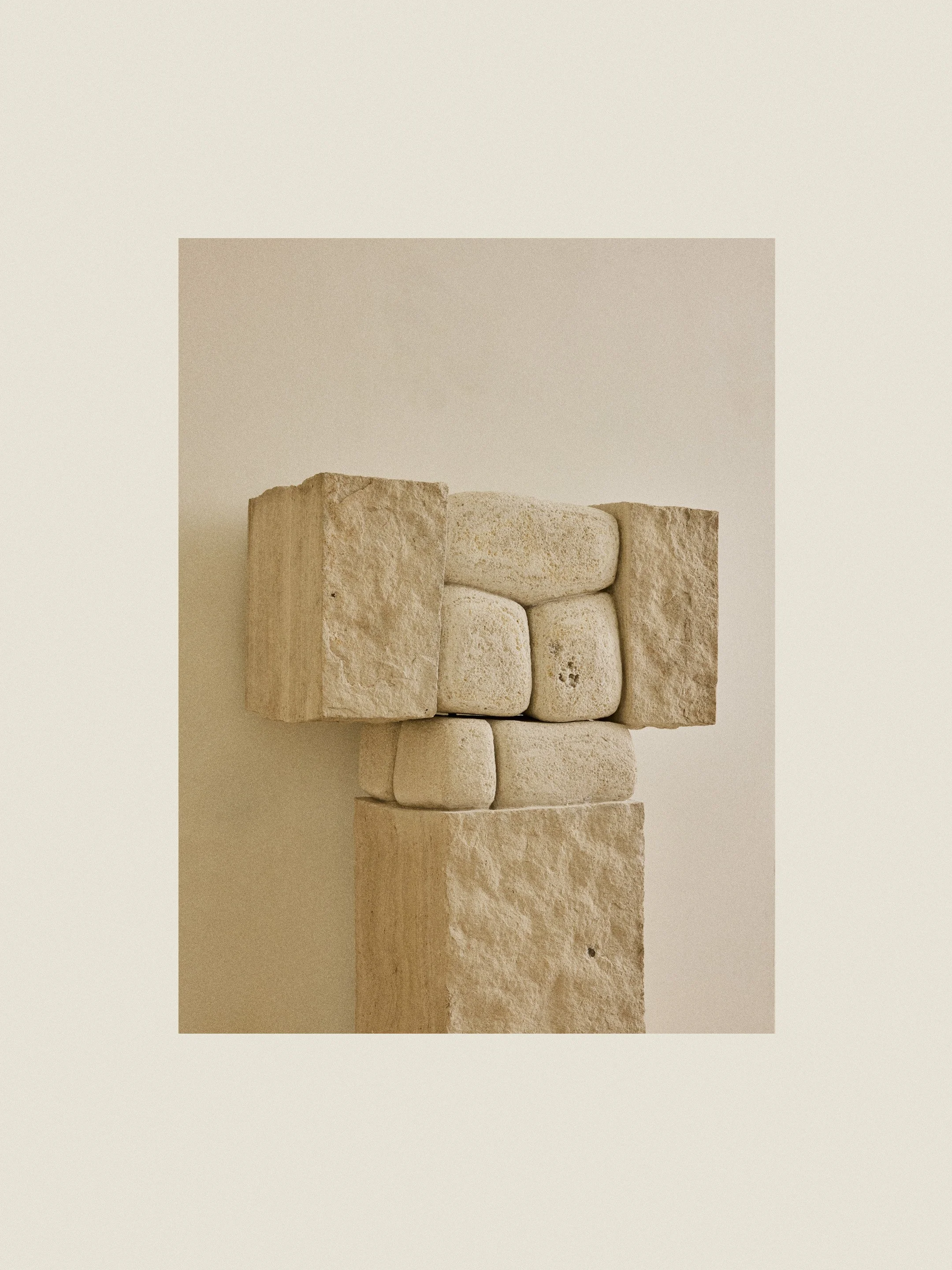
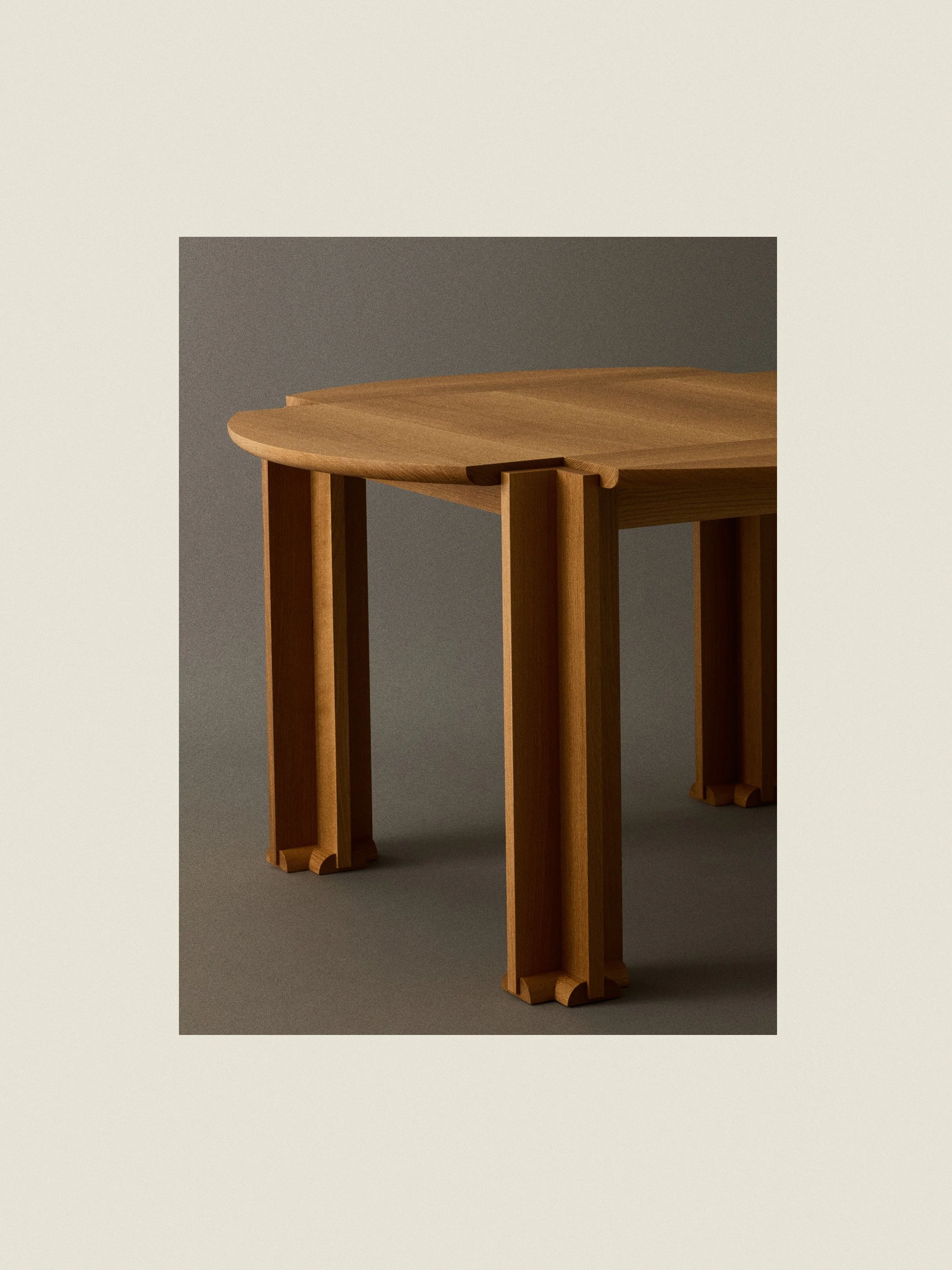
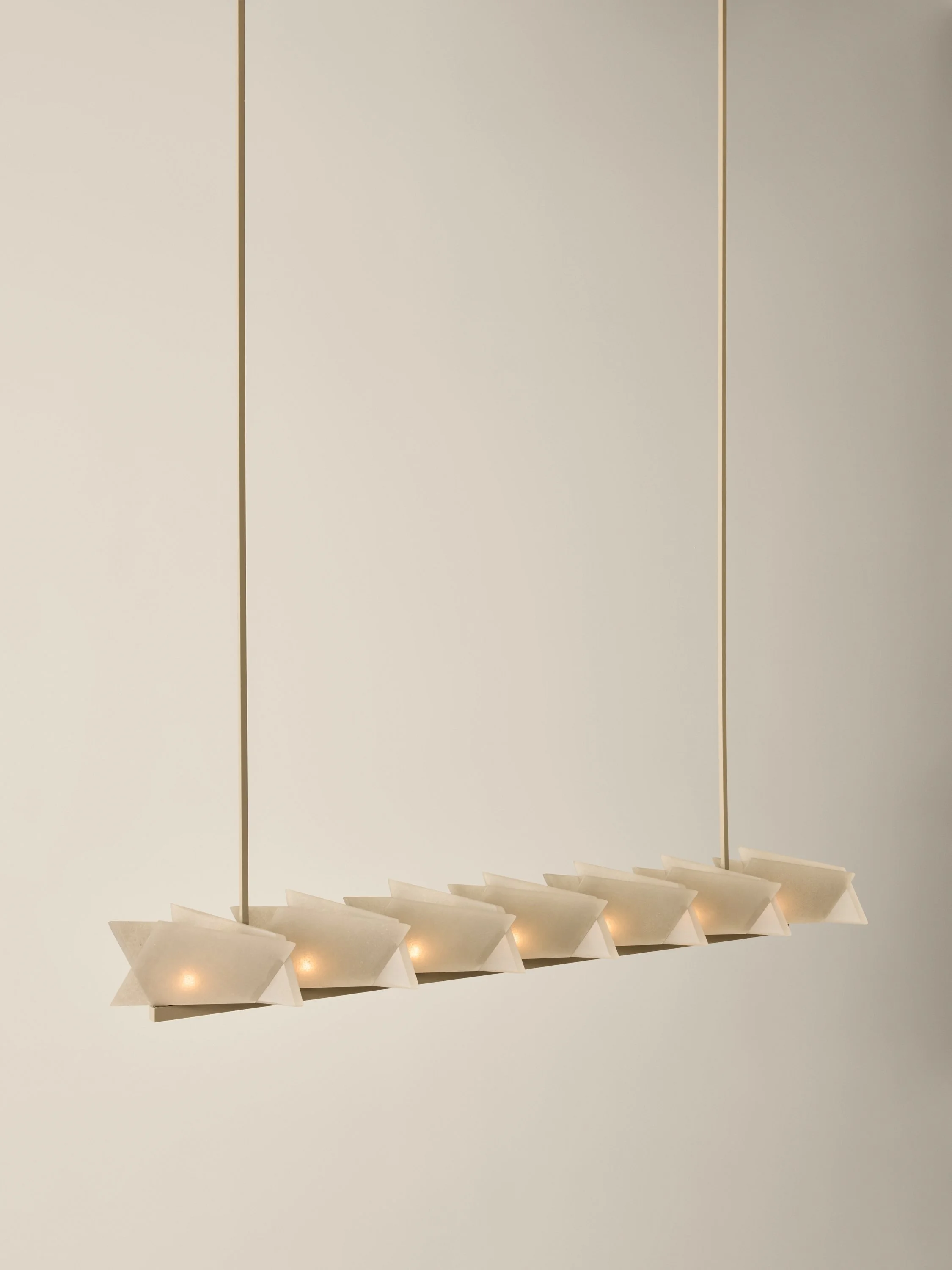
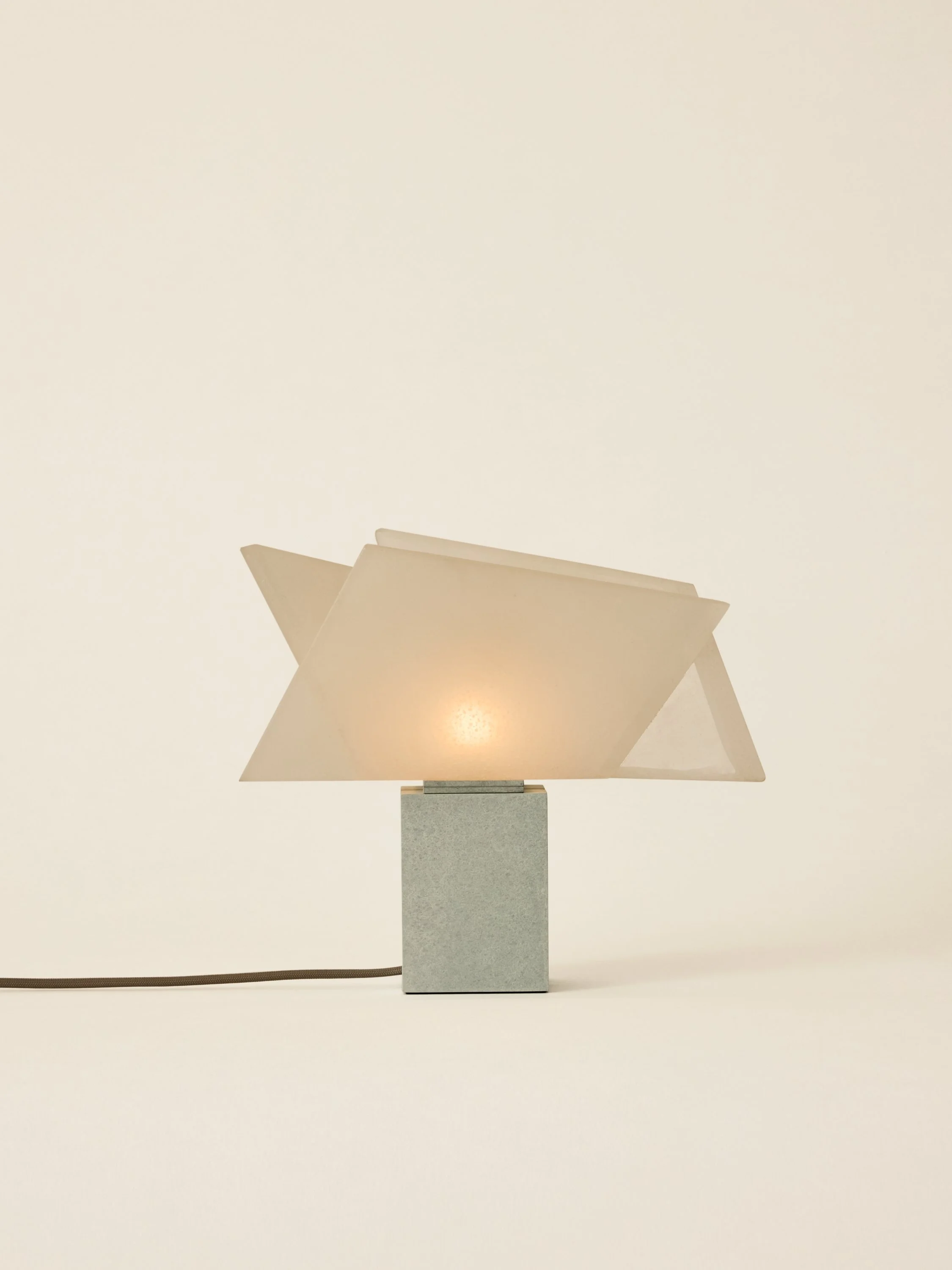
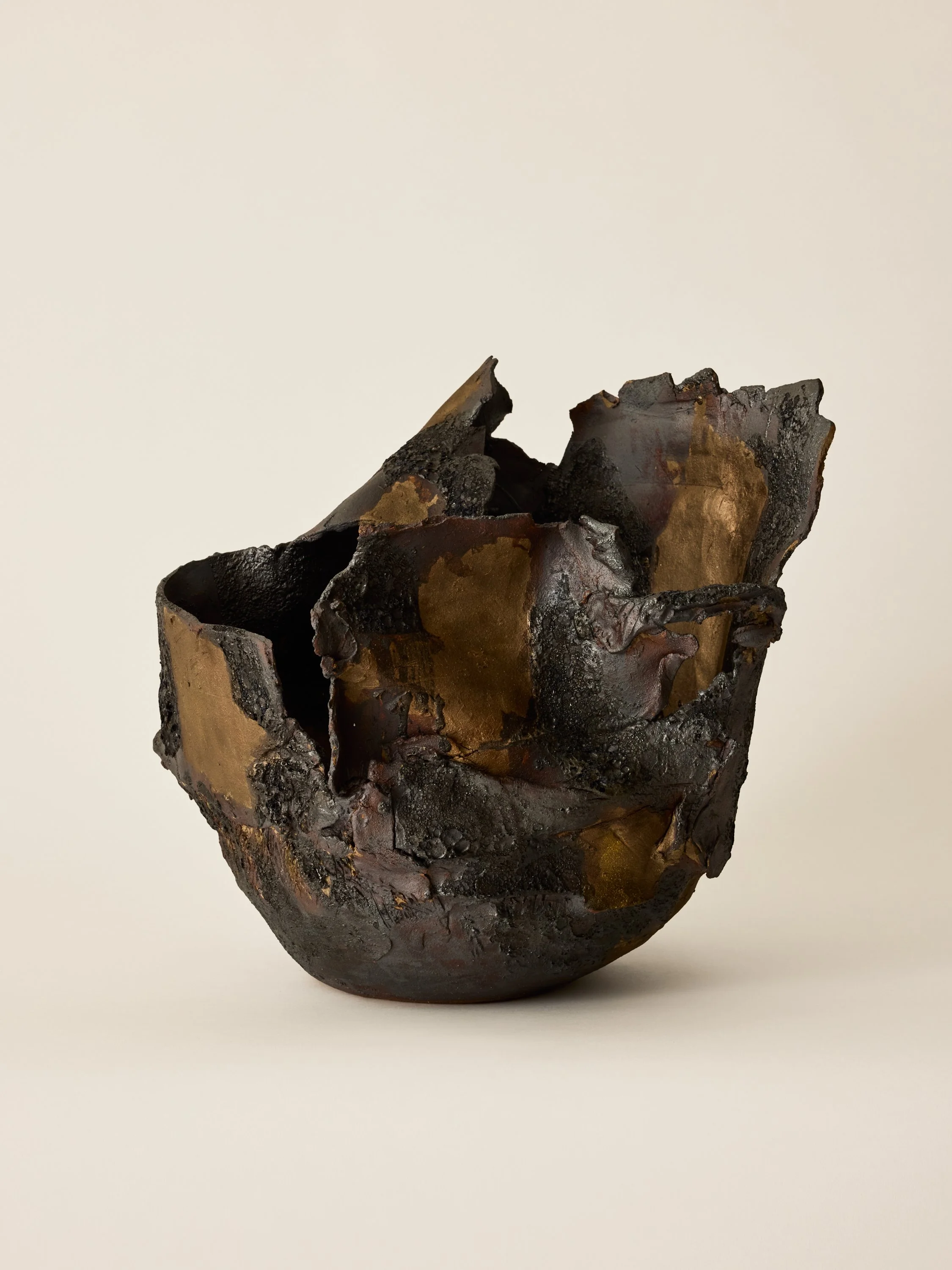
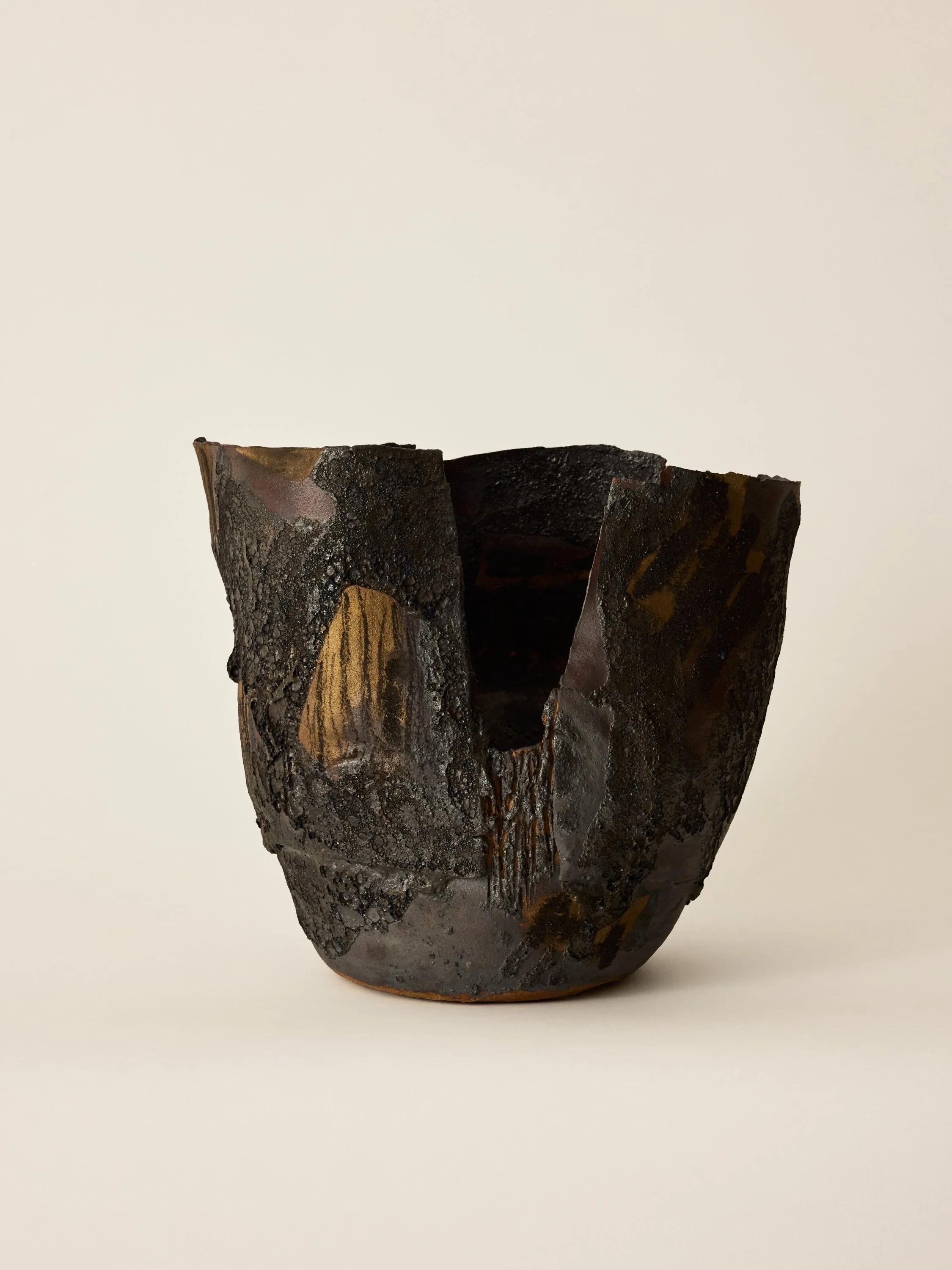
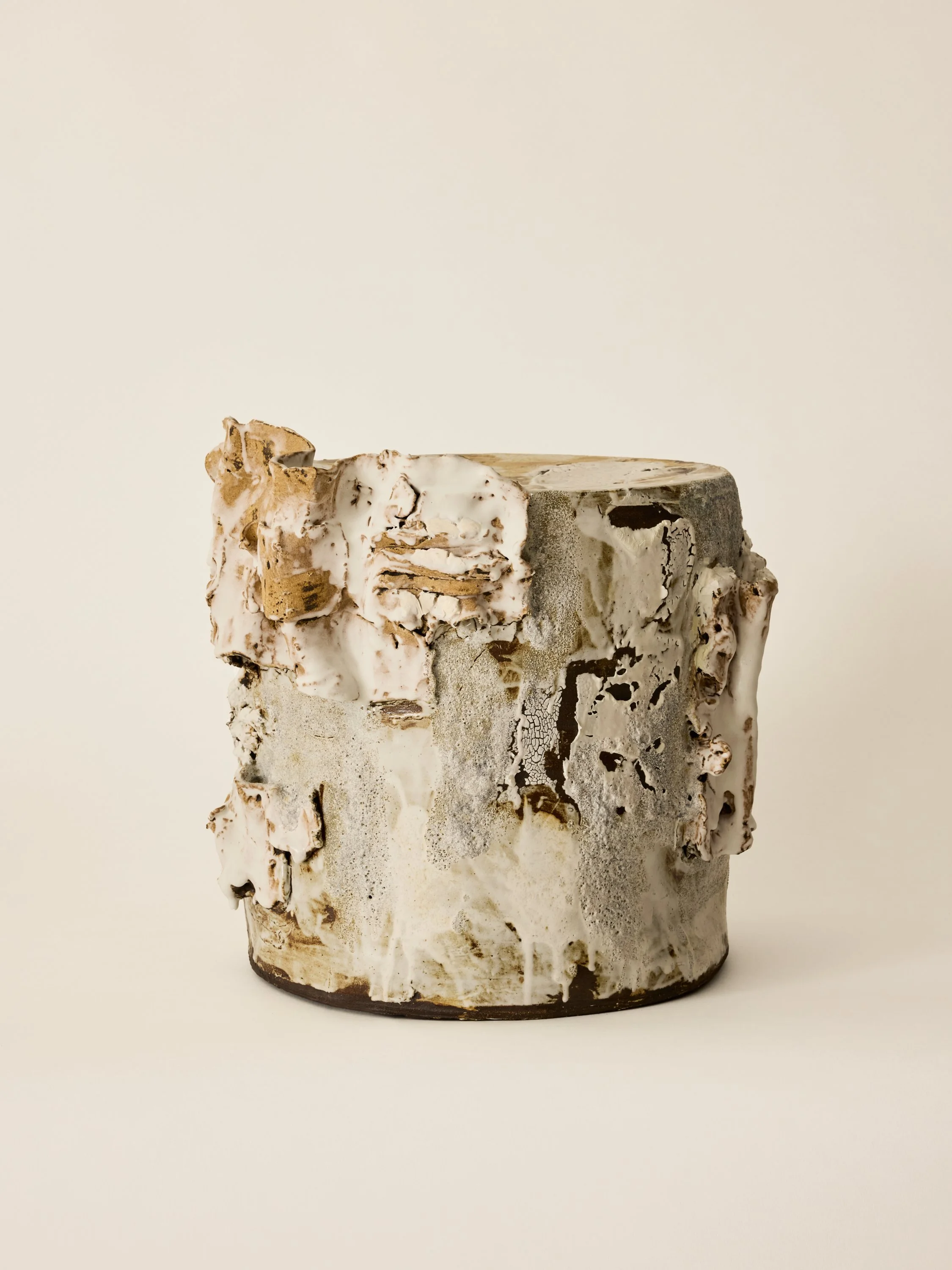
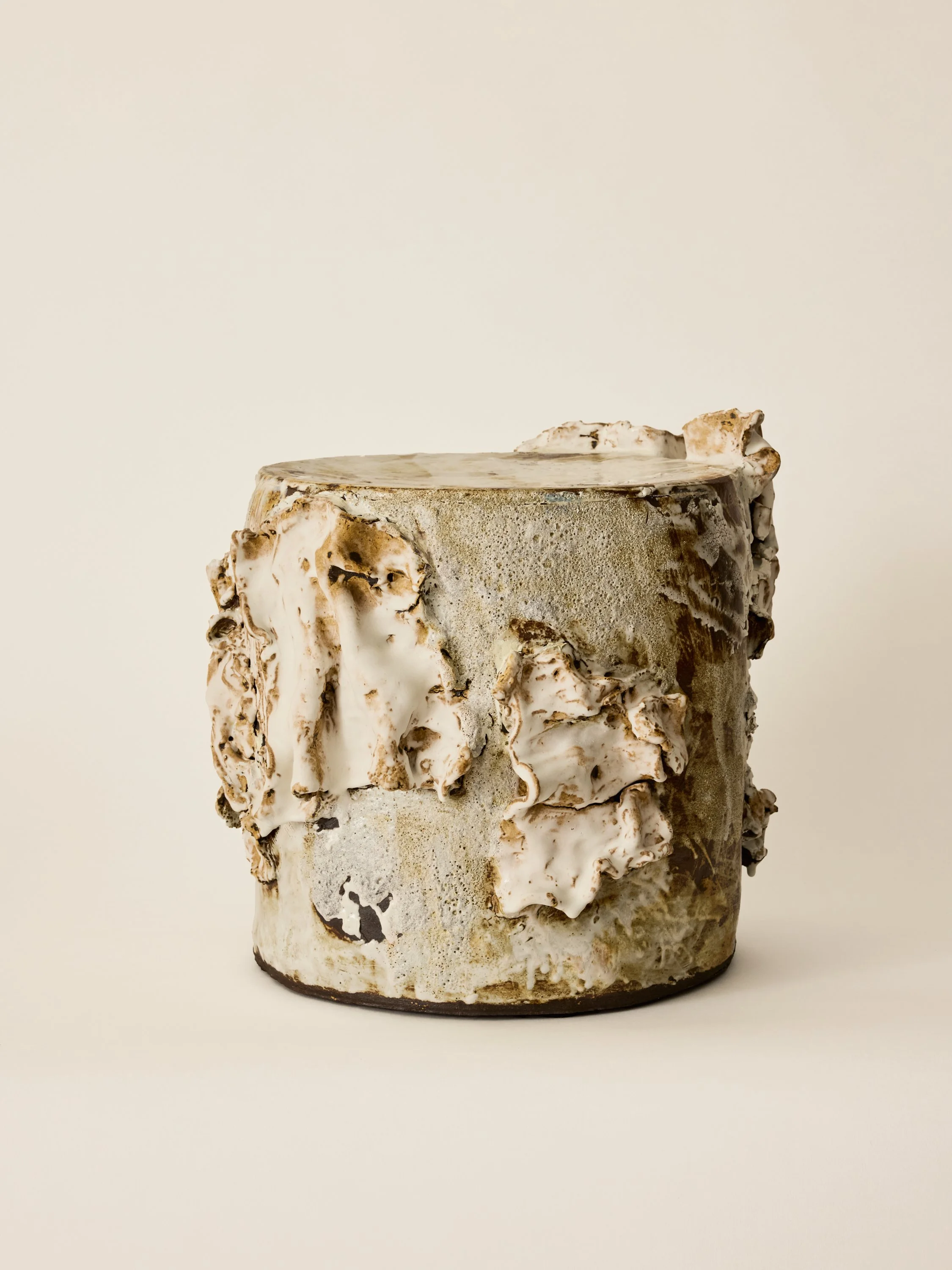
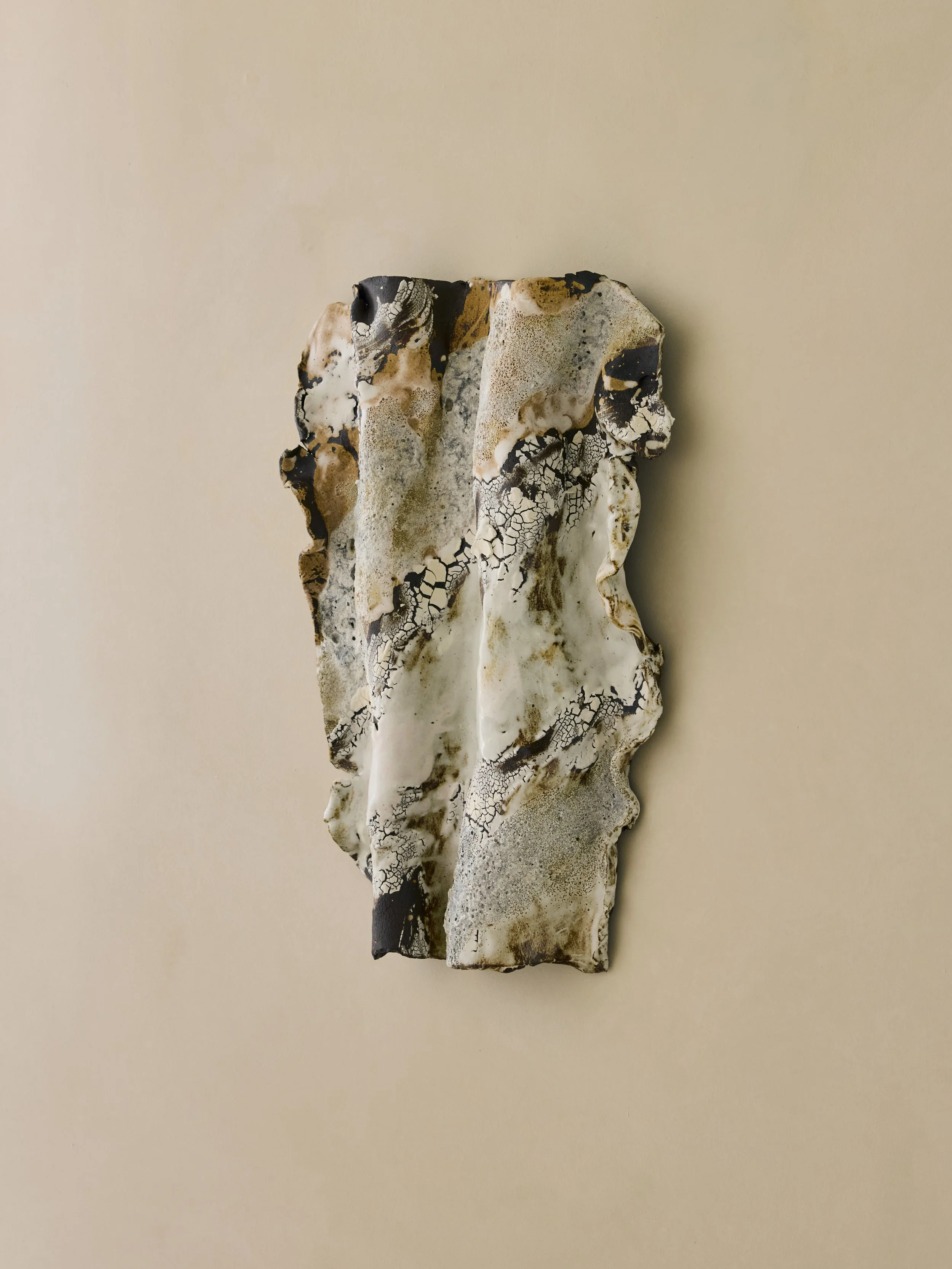
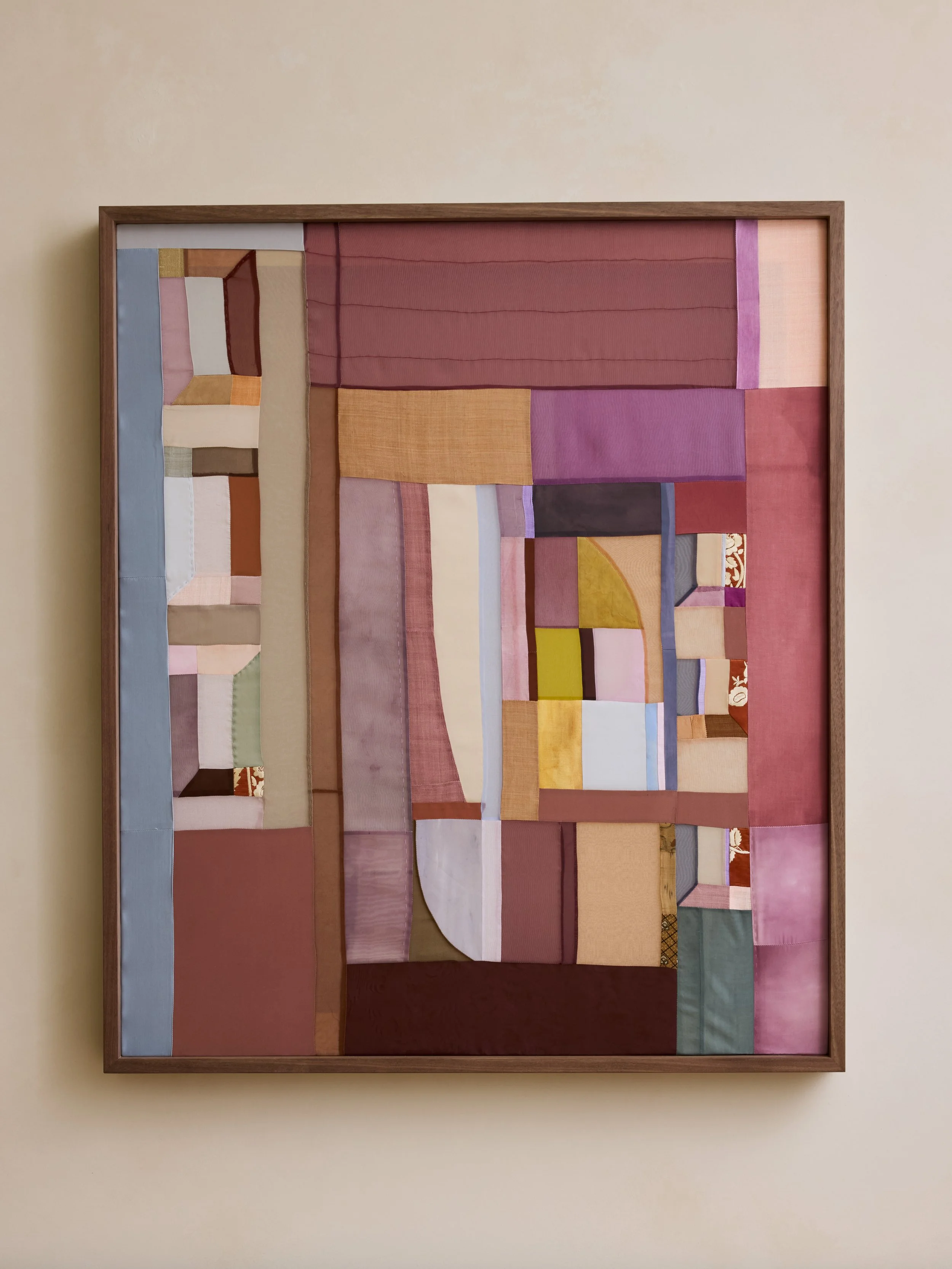
CROSS YOUR HEART: PART II Complete Works