
SUMMER NIGHTS — Summer 2026
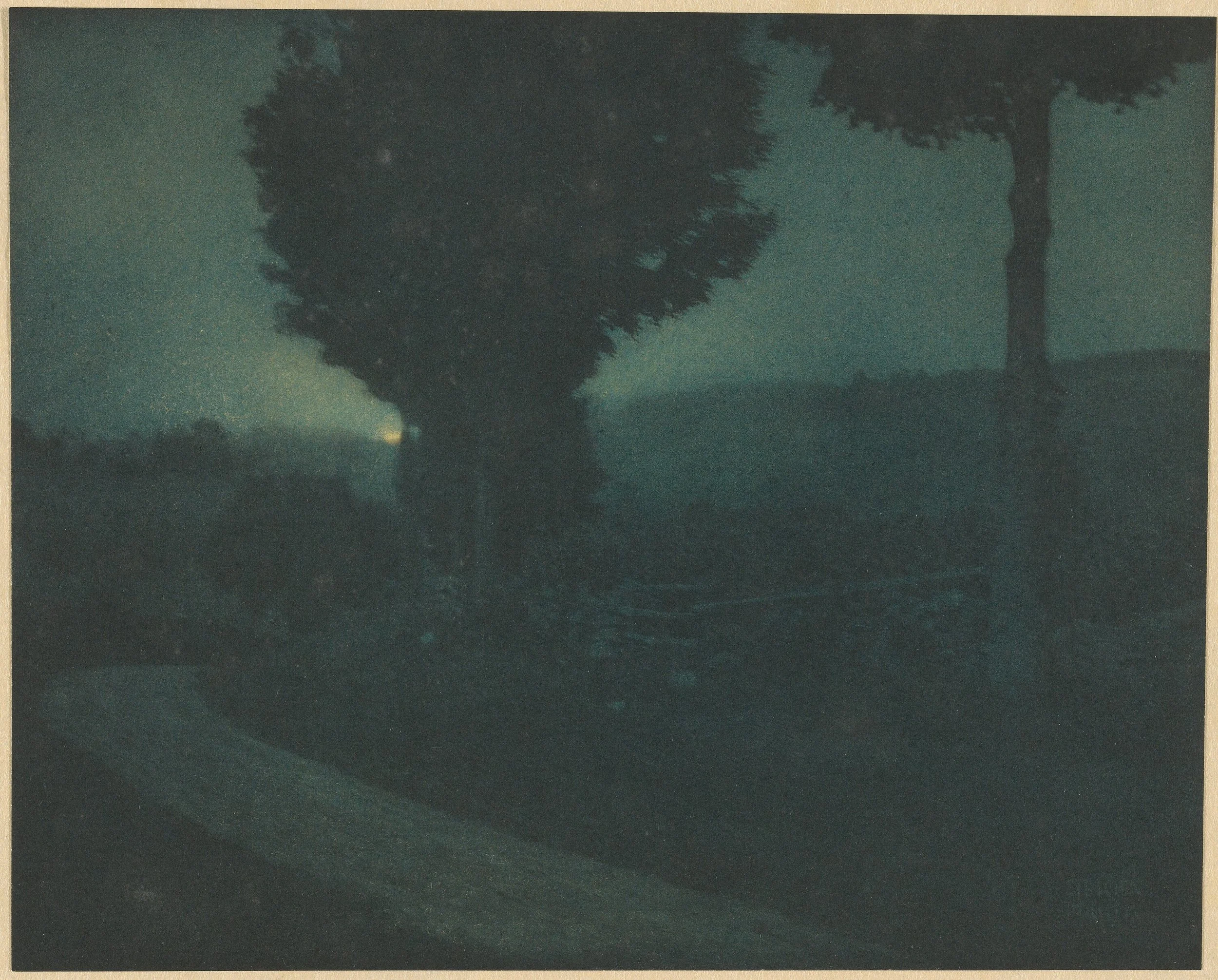
Road into the Valley -- Moonrise, Edward Steichen, 1904
Let’s discuss space. But first let’s begin with the moon.
Lacquer Prints [By Messenger]
One night
When there was a clear moon,
I sat down
To write a poem
About maple trees.
But the dazzle of moonlight
In the ink
Blinded me,
And I could only write
What I remembered.
Therefore, on the wrapping of my poem
I have inscribed your name.
— Amy Lowell
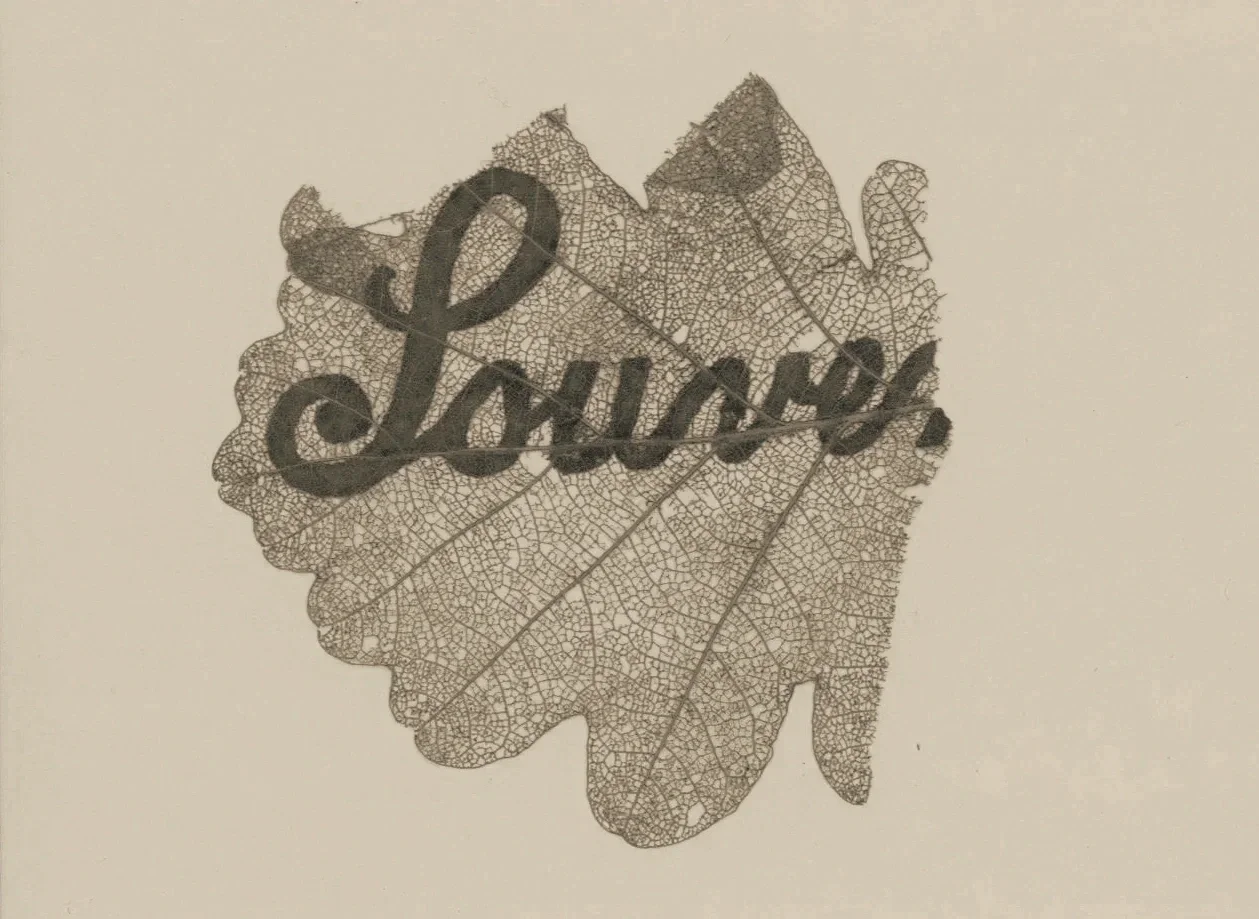
Trench art of name carved in leaf, Hippolyte Hodeau, ca. 1917

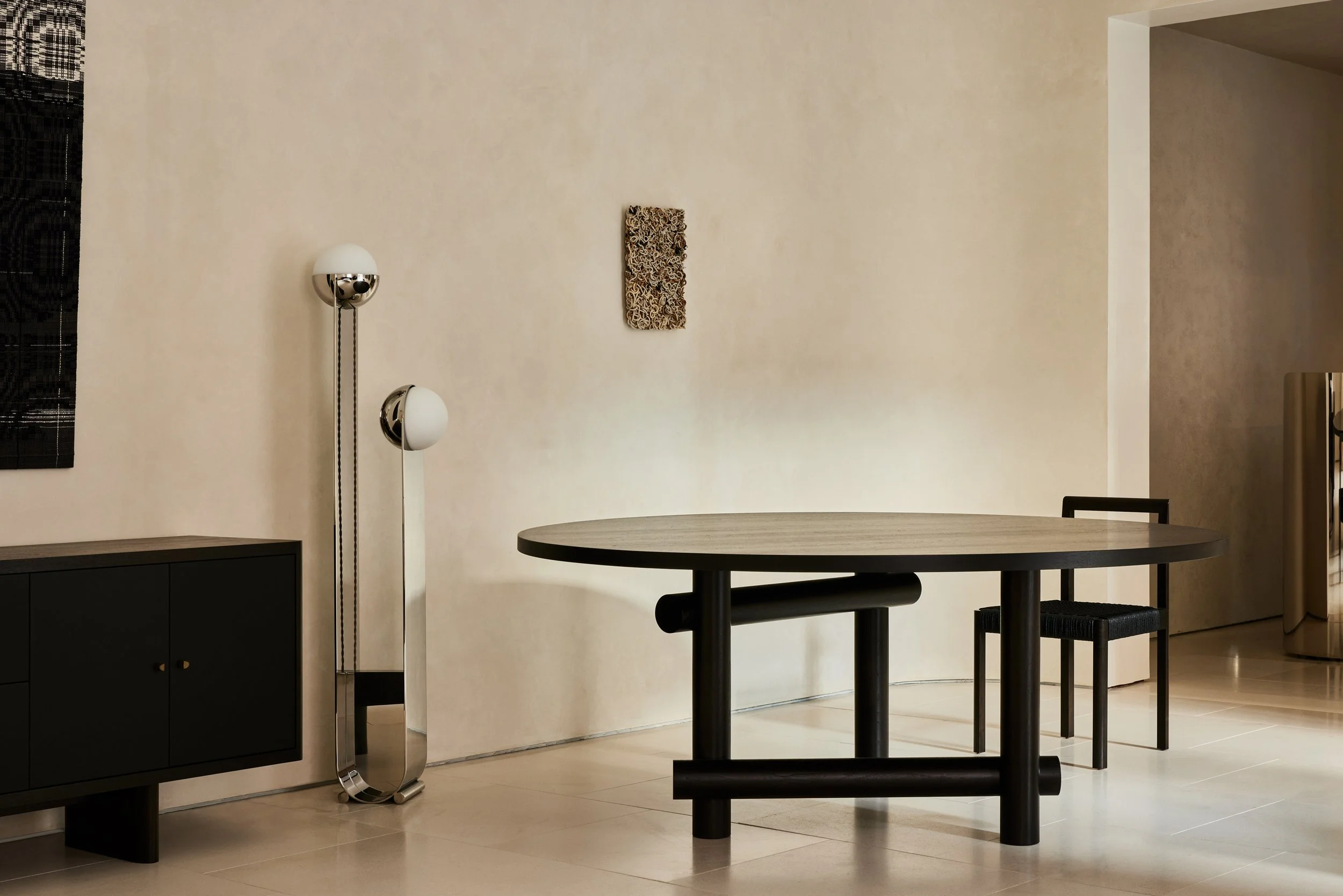
Detail: Fortune Table

Partial Eclipse of the Moon, Étienne Léopold Trouvelot ca. 1882
A letter from co-founder Crystal Ellis:
When was the last time you stopped and really looked up at the night sky?
Living in New York City, I admittedly don’t do it very often. There isn’t much to see. Just thin slivers of black chopped up and dissected by the city’s grid. There is never enough darkness, and, ironically, never enough space. Not even for the moon, our closest celestial neighbor, which is so often lost behind a building, sign, or lamppost, like a wanderer trapped in a labyrinth.
Many years ago, my two business partners and best friends and I set out on a journey away from the city, toward one of the largest expanses of darkness in the country, in a remote and wild region of Idaho.
Laying there in utter darkness with no obstacles, the sky revealed itself fully.
Though I was on the ground looking upward it had the opposite bodily effect. I felt turned over. Disoriented. I felt vertigo. Like when a car begins to move next to you and you briefly think you are moving instead.
Lying on the grass, the sky was no longer a dark plane floating above me like a screen, it was, well, space. Endless space, opening and opening and opening, never stopping.
Layers of stars. Layers of galaxies. Like dust scattered across an ever-expanding surface.
It reminded me of being inside a hall of mirrors.
It reminded me of a bug caught in a web.
It reminded me of falling.
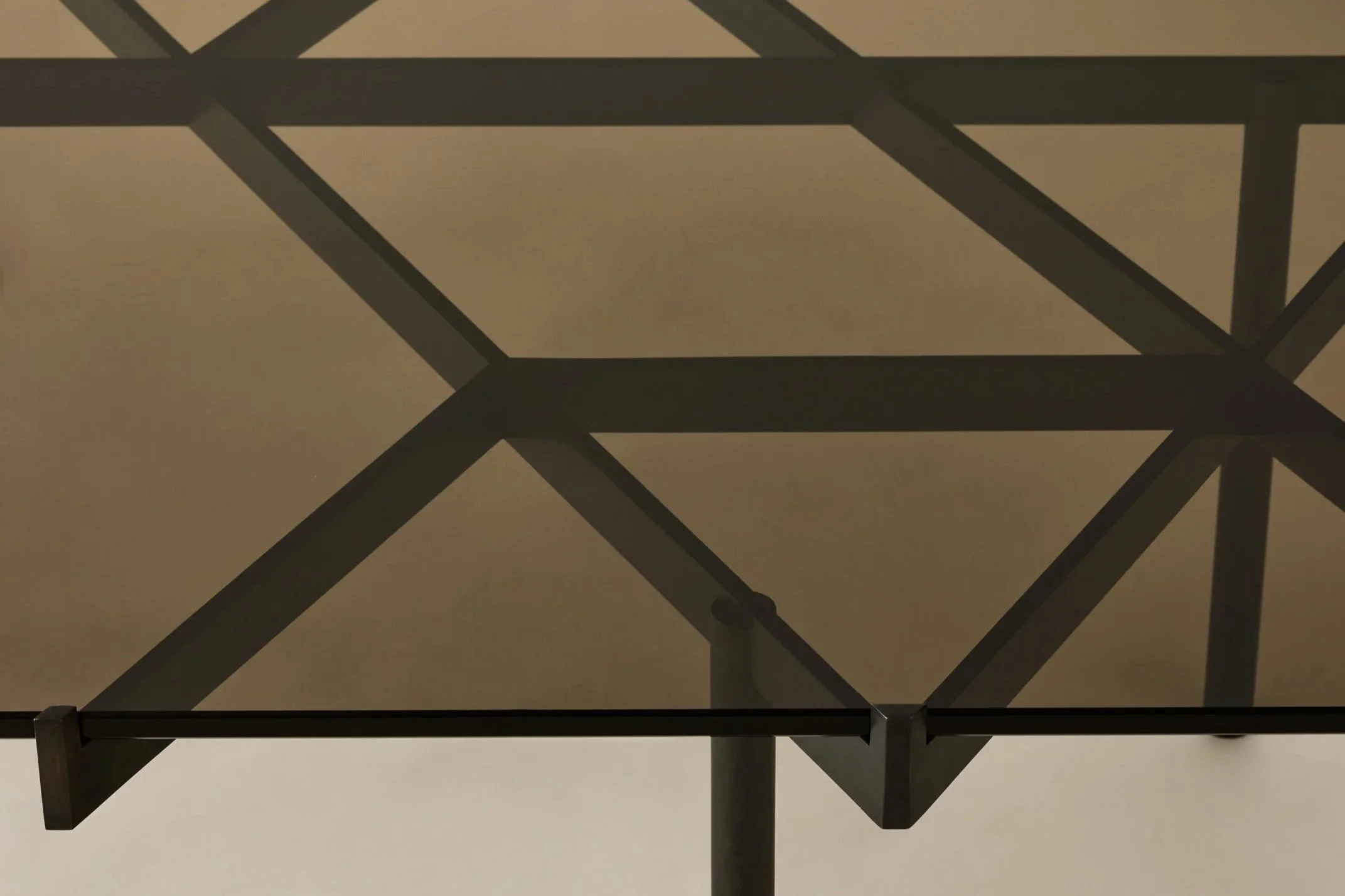
Detail: Lawson Coffee Table
In the poem that began this Journal entry, Amy Lowell begins with the night sky and ends with a name — most likely of a loved one. And I found myself, suspended there in the expanse of the night sky similarly brought back from the infinite to the intimate.
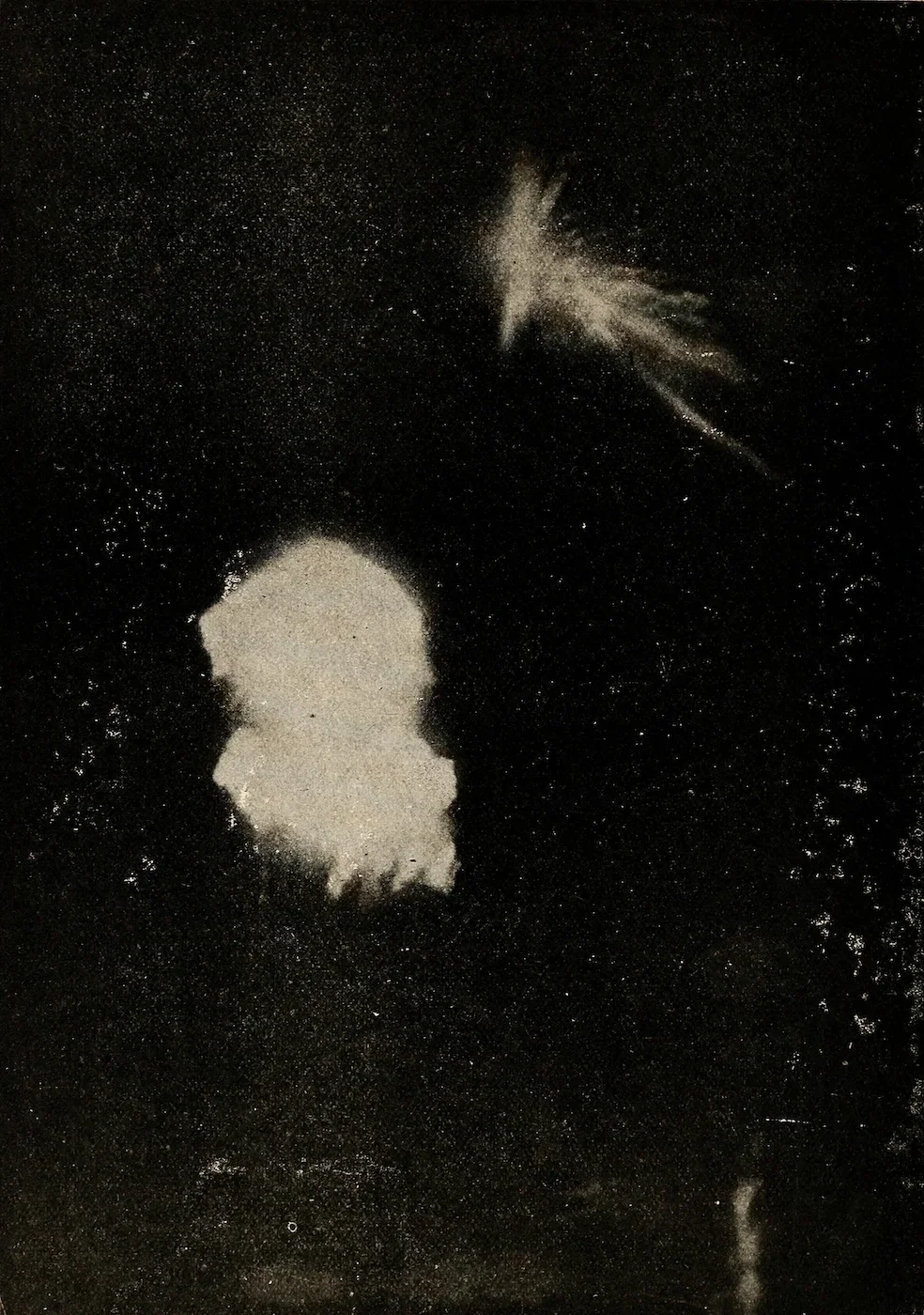
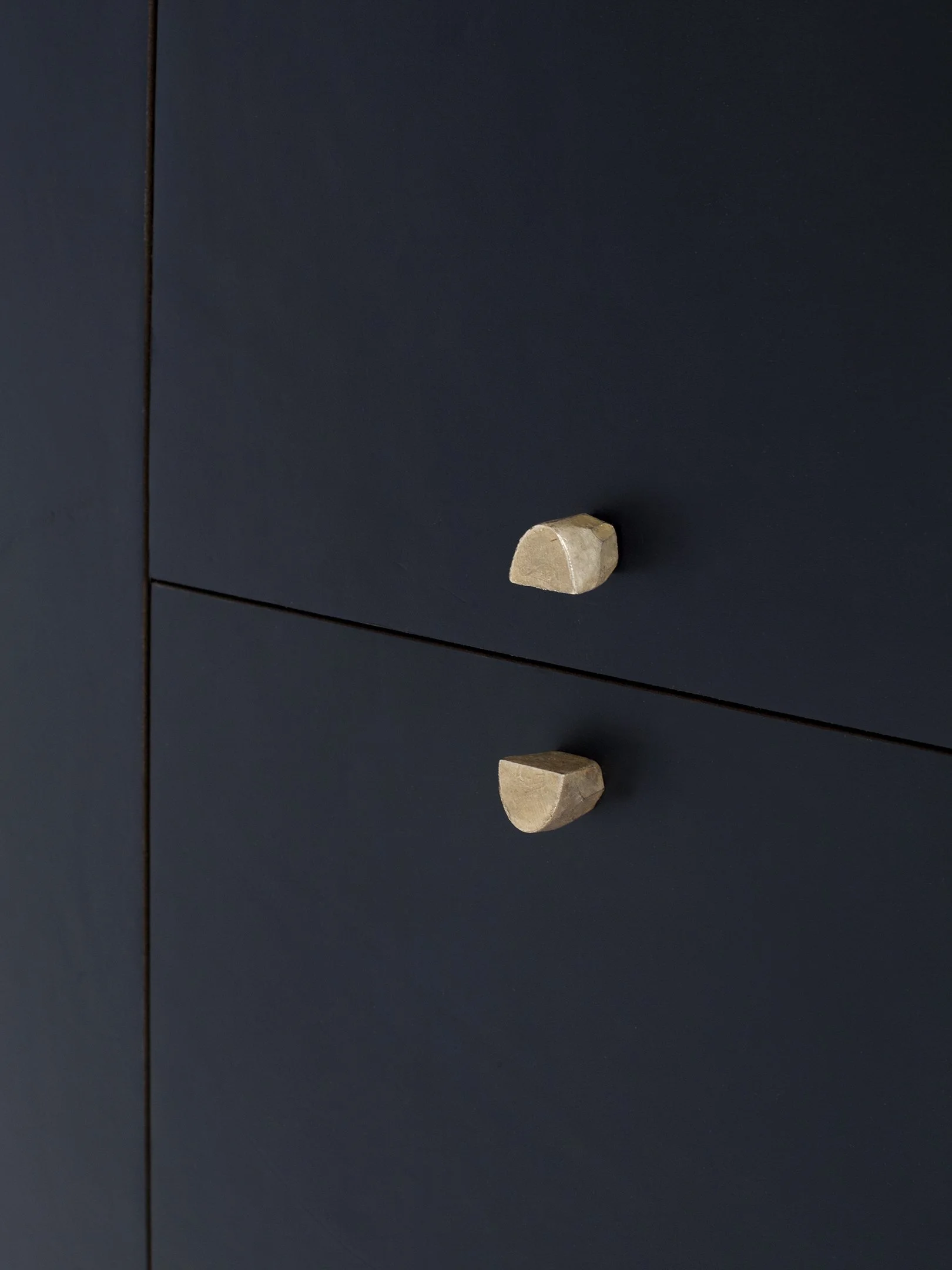
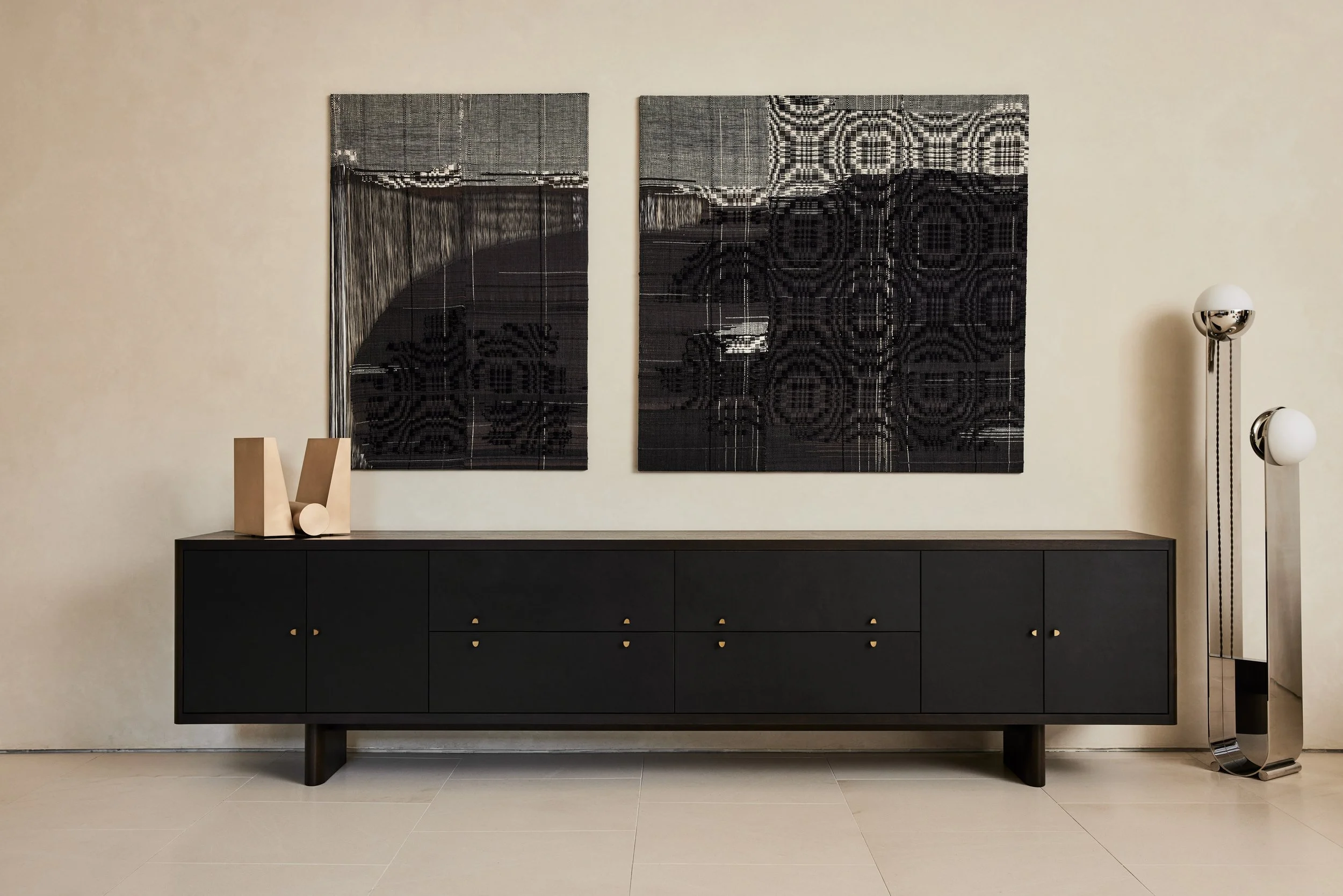
Space, which I had thought of as the nothingness between things - whether those “things” were objects in a home or stars in the sky - was revealing itself as something much more.
It was sticky and complicated. Gluelike.
It had substance and weight.
It possessed gravity (another word with a similarly beautiful double life).
Yes, space was “nothing”. But it was “nothing” at such a volume that it became everything.
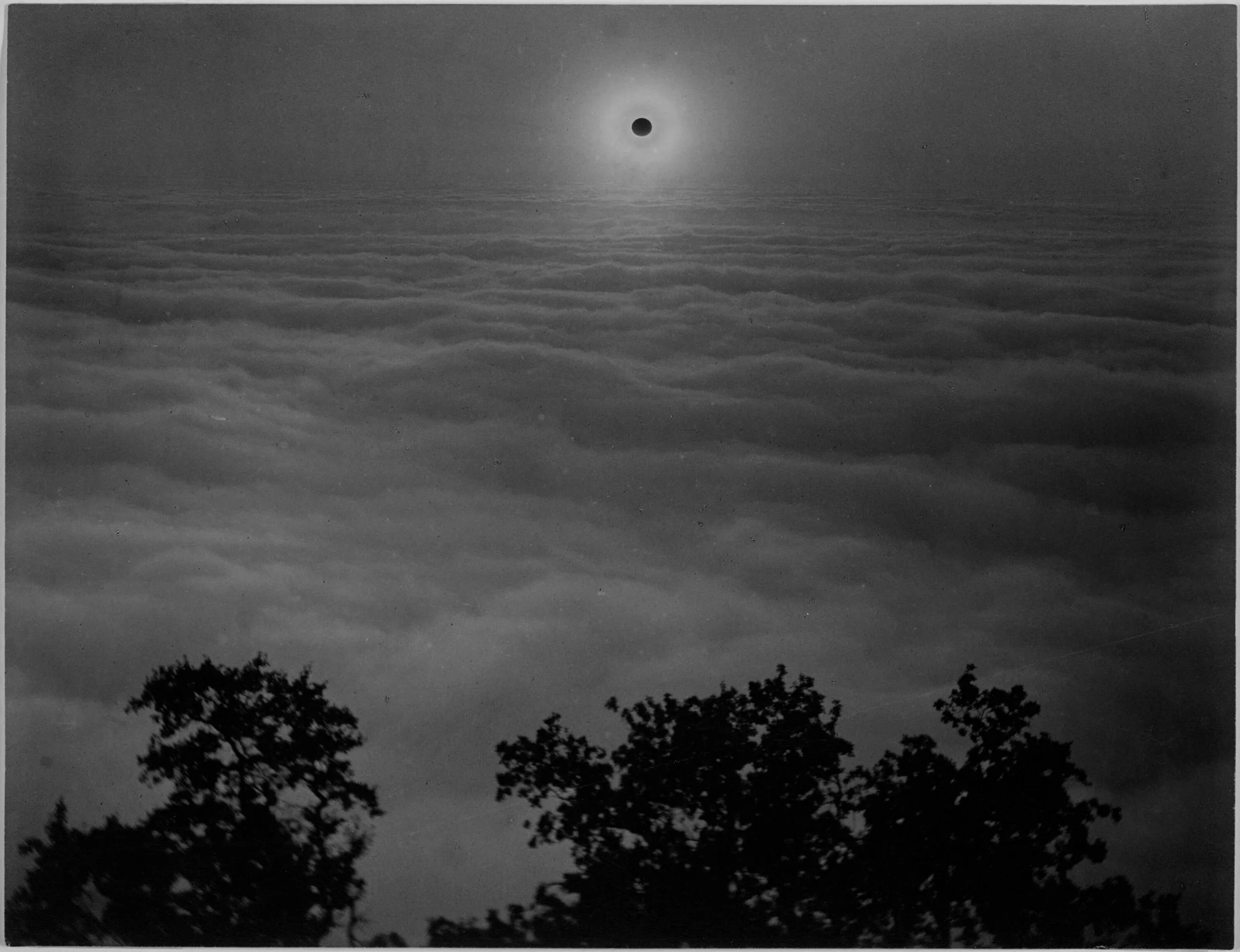
Solar Eclipse, Carleton Watkins, 1889

Cross-sectional view of Étienne-Louis Boullé’s design for Newton’s Cenotaph, 1784
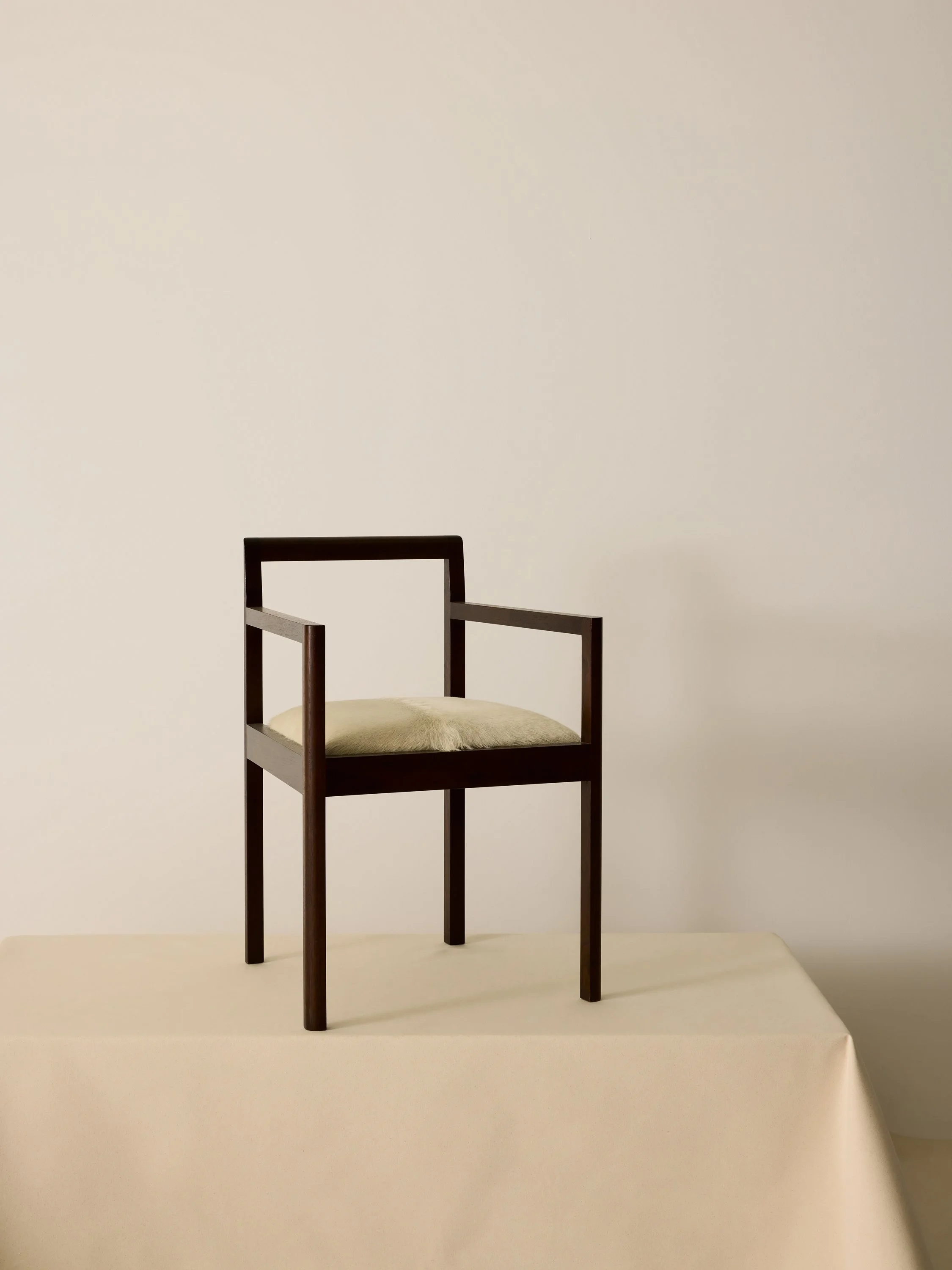
In the quiet moments, when I sit down and take stock, it can feel frivolous or even wasteful in this modern age to be a maker of things. Why make another chair? Why labor over another cabinet? The closest I can come to an answer, and to explaining the care we put into each and every design we make, is to consider the power of space.
To shape-space, as we makers do, is to work with an active and invisible medium.
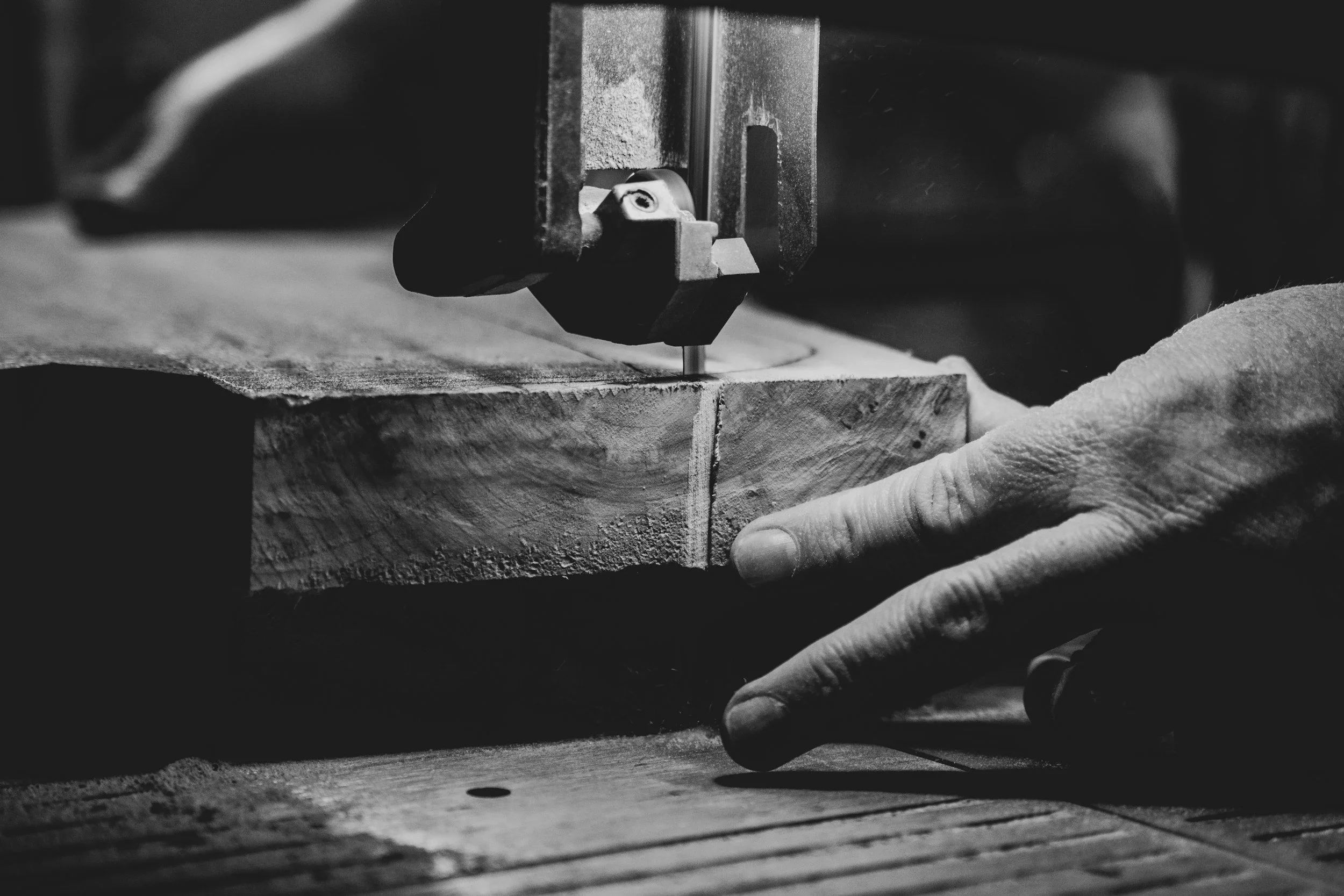
Bandsaw
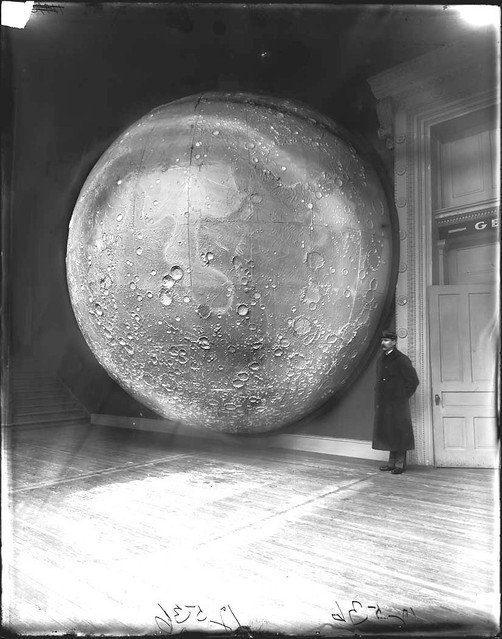
Bonn Moon Model (Bonner Mondmodell)
We build an object, first in our minds, and then in the world. And through the alchemy of craft, a tree becomes a table, a bench, a chair … but that is not where the transformation ends. The alchemy continues.
The object enters a room and changes the space around it. It changes how we move through that space, how we inhabit it, how we gather within it. It becomes part of the time spent there, and eventually, part of the lives lived there.
To make something is to imagine the life that might happen around it.
We think a lot about those lives.
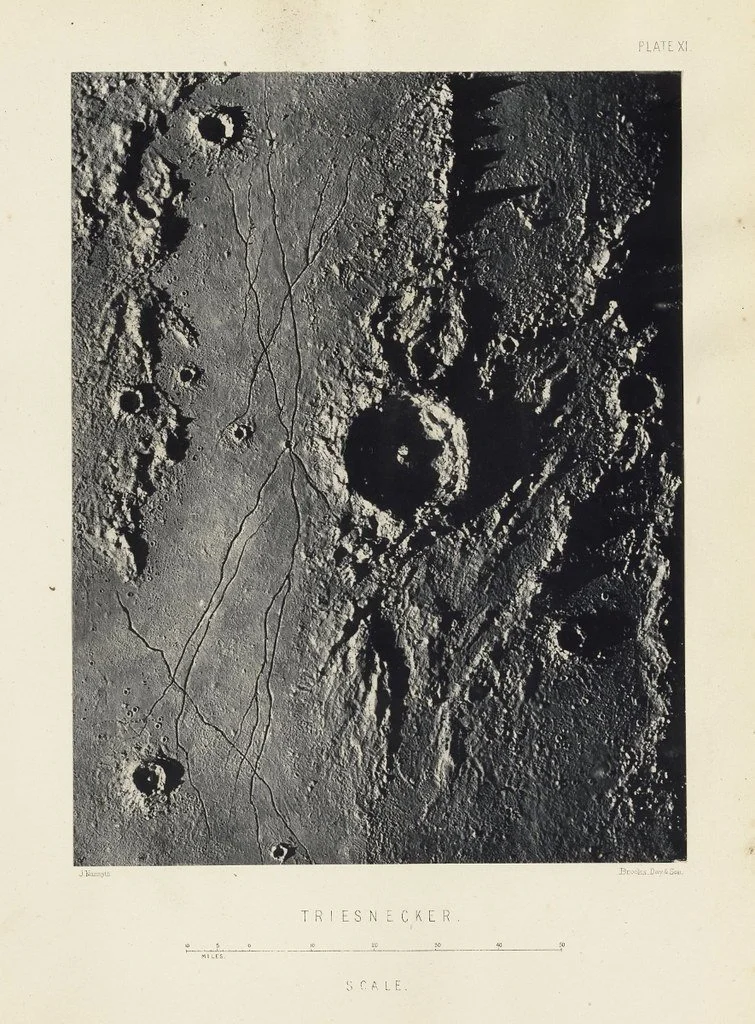
Triesnecker, James Nasymth, 1874